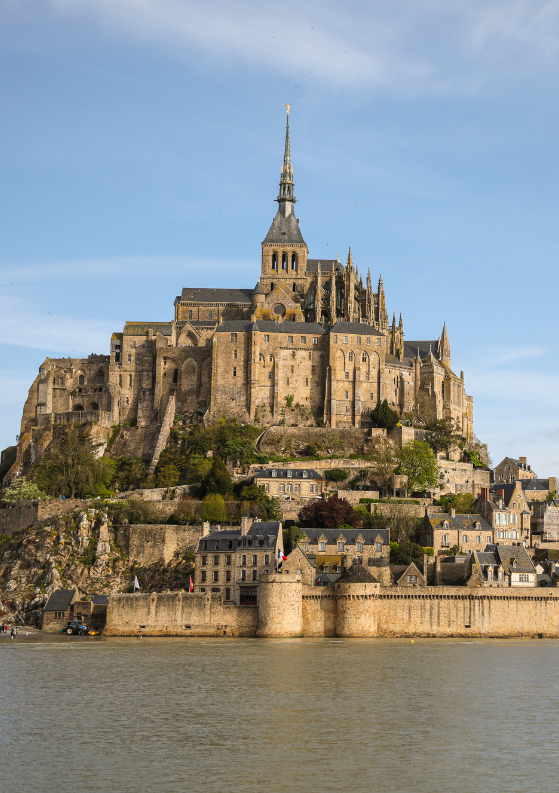
How to Visit Normandy’s D-Day Landing Beaches & WWII Sites
Disclosure: This post may contain affiliate links; more info here.
Visiting the D-Day beaches of Normandy is one of the most memorable and moving experiences you’ll have in France.
But planning a visit can feel a little overwhelming at first… The landing beaches stretch across a long section of Normandy’s coast, while museums, cemeteries, battlefields, and memorials are scattered throughout the region.
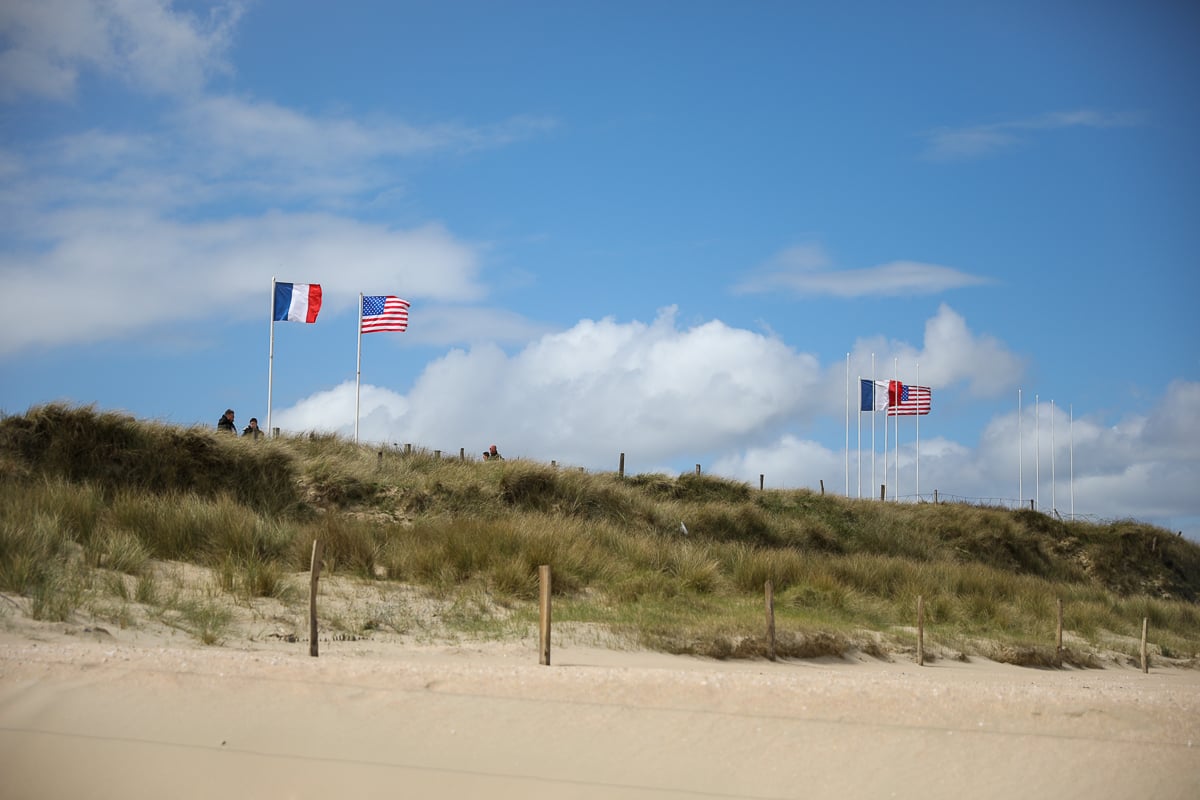
There’s a lot to see, but for most travelers (me included), one day is enough to see Normandy’s D-Day highlights – including Omaha Beach, Utah Beach, and the Normandy American Cemetery.
Staying in Paris? If you’re short on time, this D-Day Beaches of Normandy tour is one of the best day trips from Paris. It covers the most important highlights.
Considering basing yourself in Bayeux, Normandy? If you have two or three days to spare, I recommend this option! This charming medieval town is perfectly positioned for exploring the D-Day beaches and other World War II sites – and has plenty to offer otherwise! (I stayed in Bayeux and booked this D-Day Beaches full-day tour.)
In this guide, I’ll explain how to visit the D-Day beaches and WWII sites of Normandy, which places you can’t miss, whether you should book a D-Day tour or rent a car, where to base yourself, and all the must-know tips!
D-Day Beaches of Normandy: Quick Tips
Short on time? Here’s what you need to know about visiting the D-Day Beaches of Normandy.
Best Guided D-Day Tours
- From Paris: Normandy D-Day Sites & Cemetery Day Trip with Lunch
- From Bayeux: American D-Day Beaches Full-Day Tour (Small-Group) – the tour I booked and highly recommend!
- From Caen: D-Day Tour and Mémorial de Caen Museum Experience (Small-Group)
- Canadian Sector (from Bayeux): Canadian Battlefields and Sites Full-Day Tour (Small-Group)
- British Sector (from Bayeux): British WWII Jeep Tour of Normandy (Private)
Must-Know Tips:
- Best bases: If you only have one day to spare, take a D-Day tour from Paris. If you have two to three days, stay in Bayeux. Even if you only plan to take one full-day D-Day tour from Bayeux, this town has a lot more to offer (including the Bayeux Tapestry and close proximity to Mont Saint-Michel).
- Best way to visit: Take a guided tour that includes transportation. The landing beaches, battlefields, and other historic sites are spread out across the region, and the context, details, and storytelling from an expert guide makes all the difference.
- Renting a car: This is a great option for travelers who have 3+ days in Normandy and want to explore on their own at a more relaxed pace.
- Prepare for rain: Coastal Normandy weather can be unpredictable – suddenly turning rainy and windy – even in the summer months. Bring rain gear and wear proper footwear!
- Don’t miss: Omaha Beach, Utah Beach, the Normandy American Cemetery, and Pointe du Hoc.
- How long you need: For most travelers, one well-planned day is enough to experience the major D-Day highlights.
Booking tours and experiences on Viator? Use my exclusive reader discount code to save!
Best Ways to Visit Normandy’s D-Day Beaches
There are two main ways to visit Normandy’s D-Day beaches and WWII sites: join a guided D-Day tour or rent a car. The option you should choose depends on how much time you have and how much of Normandy you want to see.
Wondering about public transportation? Most of the D-Day sites are rural and spread out, so public transportation is not a practical way to visit several sites in one day.
Take a Guided D-Day Tour (From Paris, Bayeux, or Caen)
Unless you already know D-Day’s history inside and out, you should book a guided tour from Paris, Bayeux, or Caen for your first day of exploring the D-Day sites.
Why? Firstly, the beaches, bunkers, and battlefields don’t explain themselves.
Without a historian guide telling you what happened where, pointing out important and strategic locations, and putting what you’re seeing into context, you’d essentially just be looking at pretty beaches and grassy fields without understanding why they matter.
Our guide was an exceptional storyteller who brought the events of June 6, 1944, to life with historic photos and maps as visual aids.
In one day, a guided tour can show you some of the most important sites, such as:
- Omaha Beach,
- Utah Beach,
- The Utah Beach Museum,
- Pointe du Hoc,
- The Normandy American Cemetery, and
- Sainte-Mère-Église.
The other advantage of booking a guided tour is the logistics. The D-Day sites are spread out across Normandy. A tour handles all the driving and navigation for you.
We spent most of our day exploring the sites and museums rather than figuring out how to get from one to the next. And luckily, most sites were just a short drive from the next, usually just 10 to 30 minutes per leg.
Best D-Day Tours from Paris
If you’re short on time, you can take a D-Day Beaches tour from Paris and see several of the major sites in one day. It’s a very long day (about 14 hours), but it’s perfect if you don’t have time to stay overnight in Normandy.
- Normandy D-Day Sites & Cemetery Day Trip from Paris with Lunch: My pick for the best all-around option to see the major American D-Day sites in a day! This tour includes round-trip transportation from Paris, an expert historian guide, and the key highlights: Utah Beach and its museum, Pointe du Hoc, Omaha Beach, and the Normandy American Cemetery. You’ll also stop for a two-course lunch and Norman cider at a Michelin-recommended restaurant!
- Normandy D-Day Small-Group Day Trip with Omaha Beach, Cemetery & Cider Tasting: This tour is capped at just eight guests, perfect if you want a more intimate experience. It includes visits to Omaha Beach, Pointe du Hoc, the Operation Overlord Museum, the Longues-sur-Mer battery, and the Normandy American Cemetery. And to finish, a cider-tasting at Ferme de la Sapiniere. Lunch is an extra expense, though.
Best D-Day Tours from Bayeux
Staying overnight in Normandy? Just 2h15 minutes from Paris by train, Bayeux is the best base to join a D-Day tour. There are several great options (all with round-trip transportation), depending on which part of the D-Day story interests you most…
- American D-Day Beaches Full-Day Tour: This is the tour I booked – and the one I recommend for most first-time visitors. It’s a full-day, small-group tour covering Omaha Beach, Pointe du Hoc, the Normandy American Cemetery, Utah Beach, the Utah Beach Museum, and Sainte-Mère-Église, with an expert guide providing historical context, war strategy, vivid stories, and important facts throughout the day.
- Canadian Battlefields and Sites Full-Day Tour: If you’re particularly interested in Canada’s role in D-Day, this is the tour for you. It focuses on the Canadian sector, including Juno Beach, the Juno Beach Centre, the Beny-sur-Mer Canadian War Cemetery, and other important Canadian sites like Abbey d’Ardenne and Carpiquet.
- British WWII Jeep Tour of Normandy: This half-day tour explores the British sector by classic military Jeep, with stops at Gold Beach, the German Gun Battery in Longues-sur-Mer, the Mulberry Harbour in Arromanches, and the Commonwealth War Cemetery.
MADDY’S NOTE: I spent three nights in Bayeux to take this Normandy American D-Day Beaches tour. I also embarked on a day trip to Mont-Saint Michel and experienced all the best things to do in Bayeux itself. If you have time, I highly recommend doing the same!
Best D-Day Tours from Caen
Caen is another good base for visiting the D-Day sites, particularly if you want to visit the Mémorial de Caen (one of Europe’s major WWII museums). It’s about two hours by train from Paris.
From Caen, I’d go with this Small-Group D-Day Tour and Mémorial de Caen Museum. It includes the Normandy American Cemetery, Omaha Beach, Pointe du Hoc, and the Mémorial de Caen.
MADDY’S NOTE: This tour departs from the Caen train station, and finishes up at the Bayeux train station. If you’re staying in Paris and happy to take the train to Caen and back, this day trip option cuts about two hours off your overall transit time.
Rent a Car to Travel Across Normandy
If you have at least three full days to explore Normandy’s WWII sites, want to customize your itinerary, and don’t mind visiting without a guide, renting a car in Caen is a great idea.
If I were you, I’d take the train from Paris to Caen first, then pick up your rental car there. That way, you don’t have to worry about Paris traffic.
I’d spend three nights in Bayeux to see the D-Day beaches and broader WWII sites that interested me most. I’d also drive out to Mont Saint-Michel, stop by oyster producers along the coast, and have a beach picnic on a beautiful day.
If I had even more time, I’d spend two or three more nights in Honfleur. I’d visit Étretat and plan the ultimate foodie day, driving around the Pays d’Auge – known for its dairy (including cheeses like Camembert and Pont-l’Évêque) and orchards producing cider, pommeau, and Calvados.
MADDY’S NOTE: Originally, I had planned to take a road trip across Normandy, basing myself in Bayeux and Honfleur for two nights each. We would have seen a lot more of Normandy that way. But in the end, we decided that we didn’t want to visit the D-Day sites (or Mont Saint-Michel) without expert guides, so I cancelled the car and booked full-day tours with transportation from Bayeux instead.
MADDY’S TIP: I always use this website to find the best deals on rental cars in France and across Europe. I’ve only had great experiences with my rentals – plus, they usually offer free cancellation.
Which D-Day Beaches to Visit in Normandy
There are five D-Day landing beaches along the Normandy coast: Utah, Omaha, Gold, Juno, and Sword. But unless you’re renting a car and spending several days exploring Normandy, you definitely don’t need to visit all five.
If you’re dedicating just one day to D-Day, I’d prioritize Omaha and Utah. If you have more time – or if you’re from the UK or Canada – you might want to swap in Gold, Juno, or Sword.
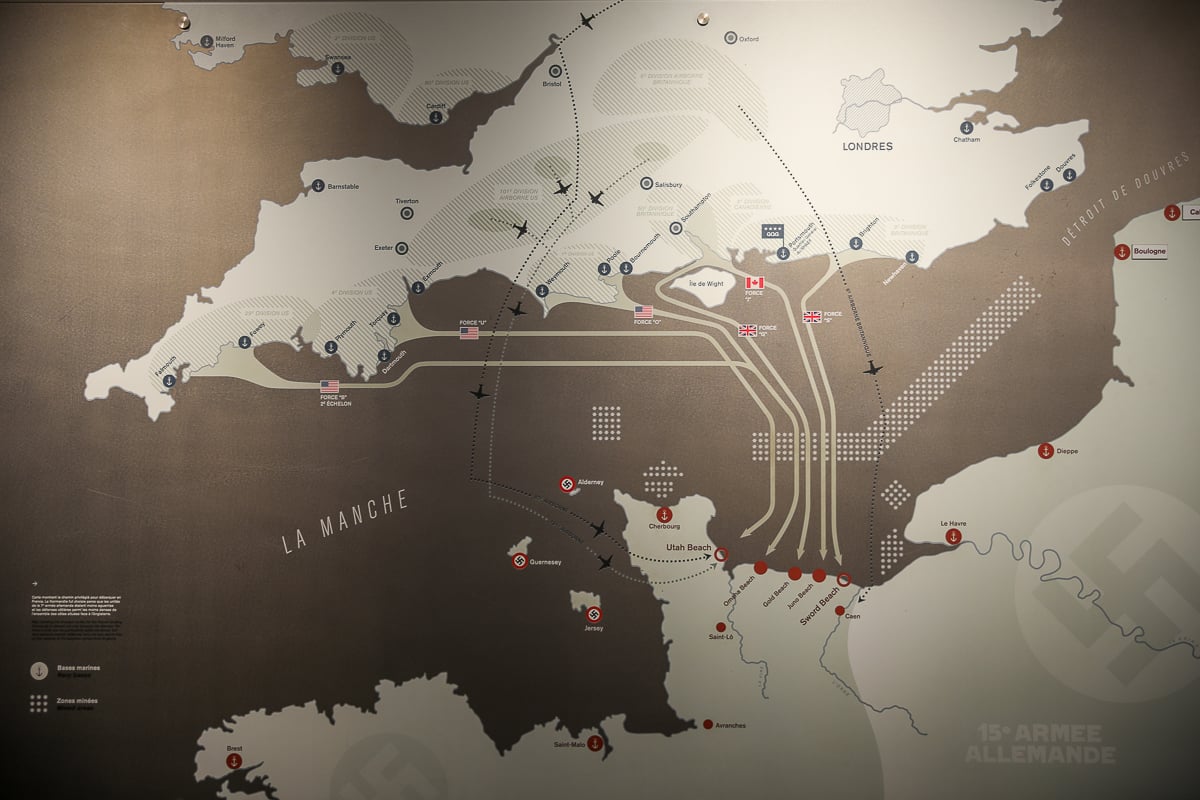
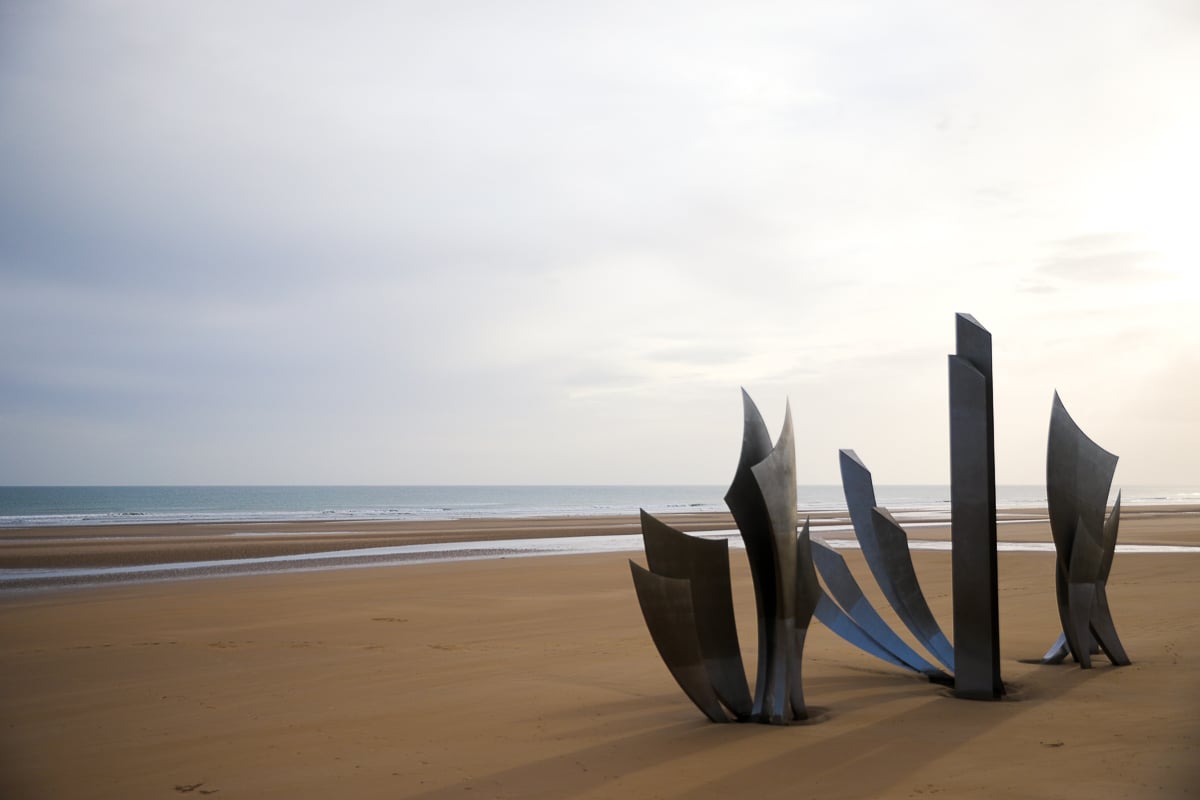
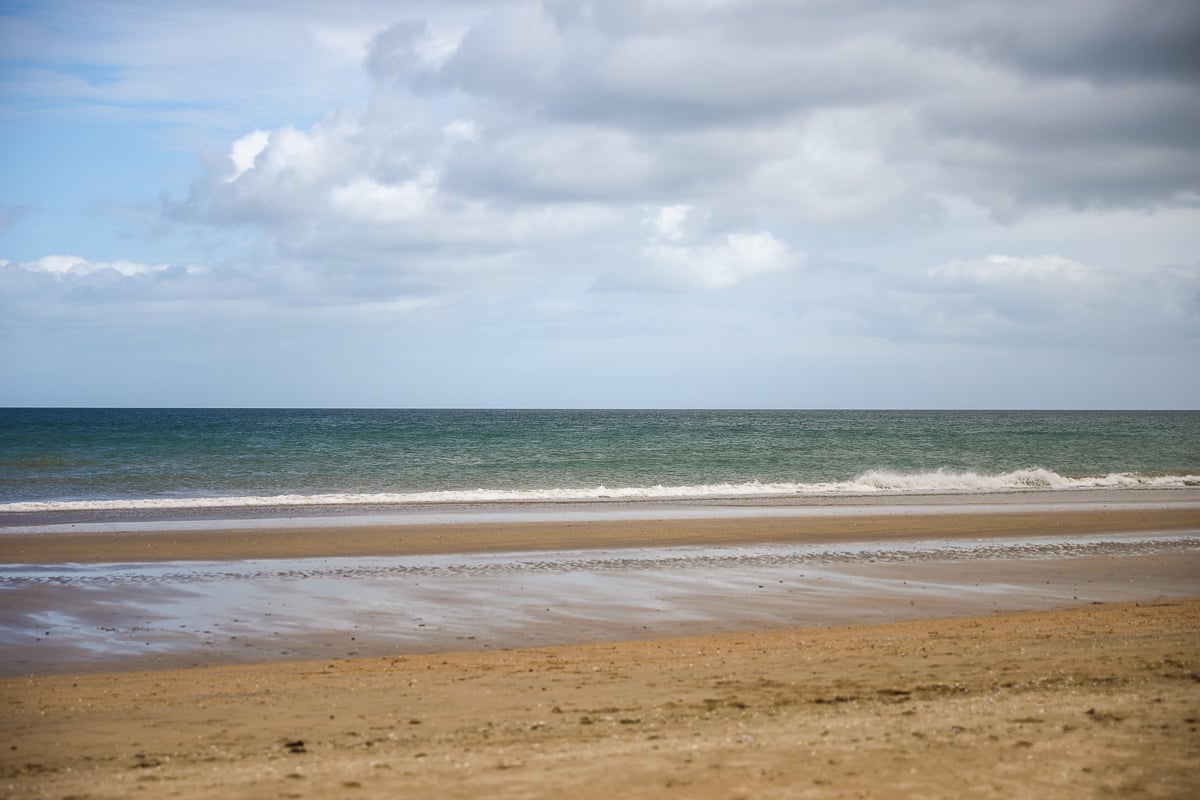
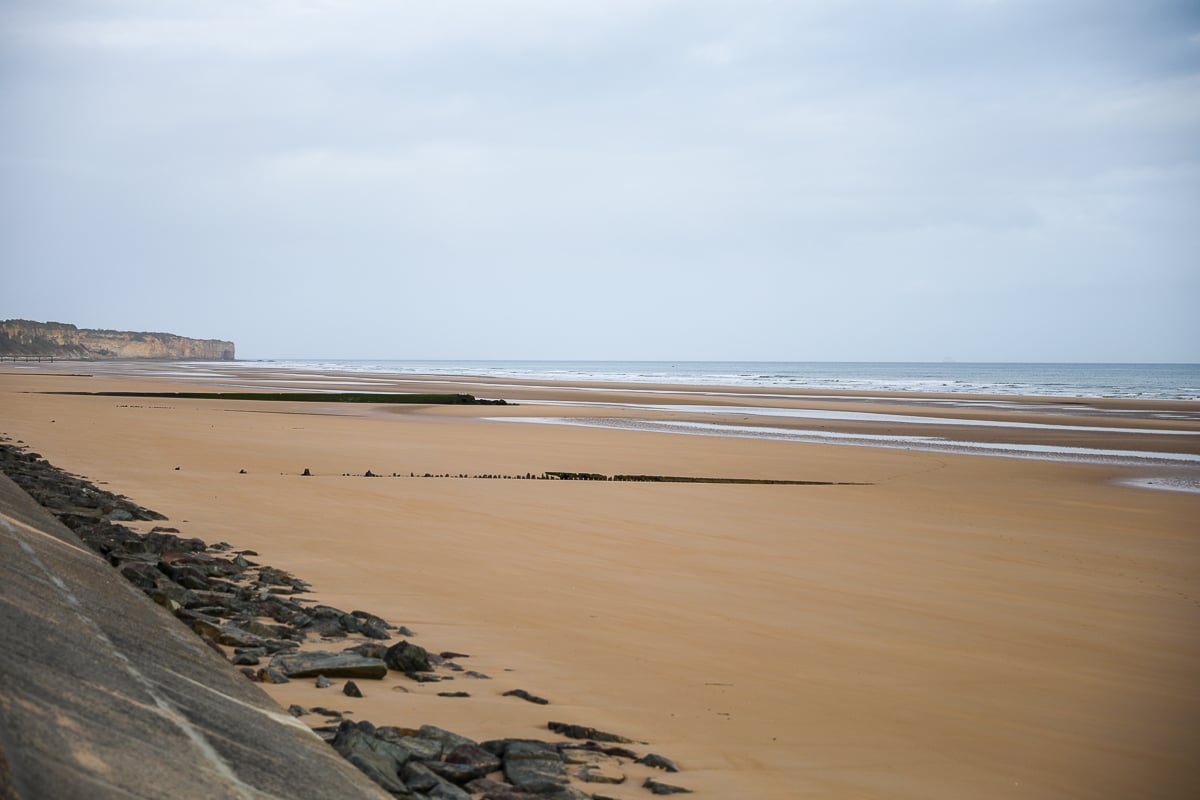
- Omaha Beach: The most heavily defended of the five landing beaches and the site of some of the bloodiest fighting on D-Day. American troops faced intense German resistance and suffered enormous casualties as they fought their way off the beach. The beach itself is open and expansive today – it’s really quite beautiful – making it difficult to imagine the chaos and devastation of June 6, 1944.
- Utah Beach: The westernmost landing beach and one of the two American sectors. The landing here was relatively successful, with fewer casualties than at Omaha, and U.S. troops quickly moved inland to secure key routes and link up with the airborne forces around Sainte-Mère-Église.
- Gold Beach: One of the three British landing sectors, where British forces came ashore on D-Day to capture key positions and push inland. Nearby Arromanches is particularly significant for its Mulberry Harbour, the enormous artificial port built to supply the Allied armies after the invasion.
- Juno Beach: The landing sector assigned to Canadian forces, who faced strong German resistance and nevertheless advanced farther inland than planned on D-Day.
- Sword Beach: The easternmost landing beach and the main British sector closest to Caen. British forces landed here alongside Free French forces, while nearby airborne troops captured key bridges over the Orne River, including Pegasus Bridge, before the beach landings began.
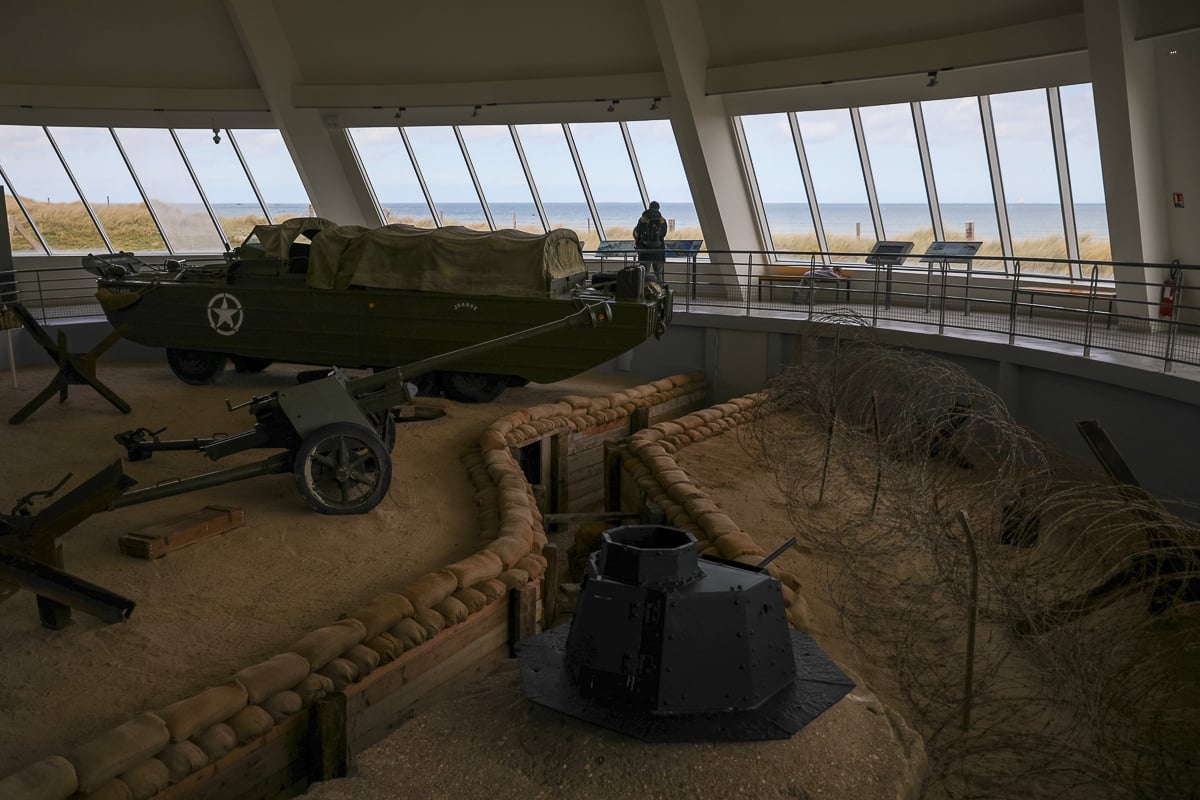
Other WWII Sites to Visit in Normandy
The D-Day beaches are just one part of the story. There are many more cemeteries, battlefields, museums, German bunkers, and memorials scattered across Normandy. Visit them to dive deeper into the history of the D-Day invasion and the wider Battle of Normandy.
Some of the most important sites you can visit include:
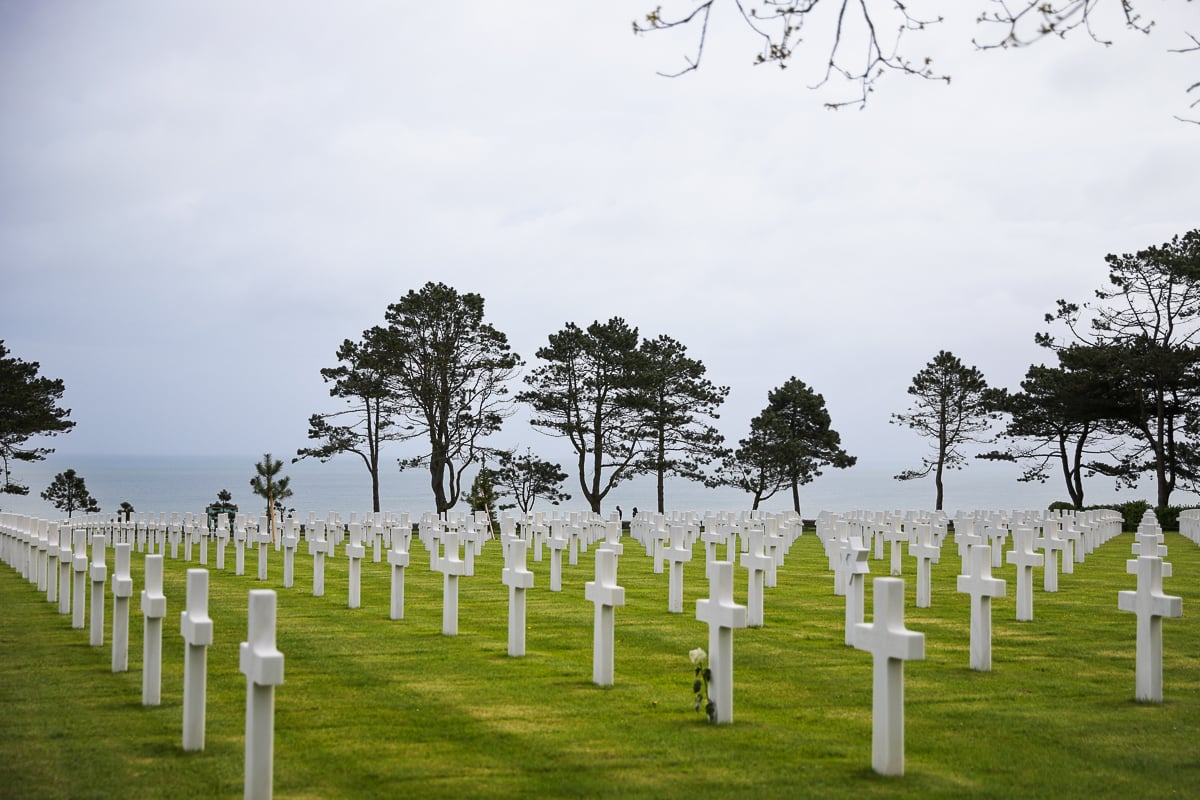
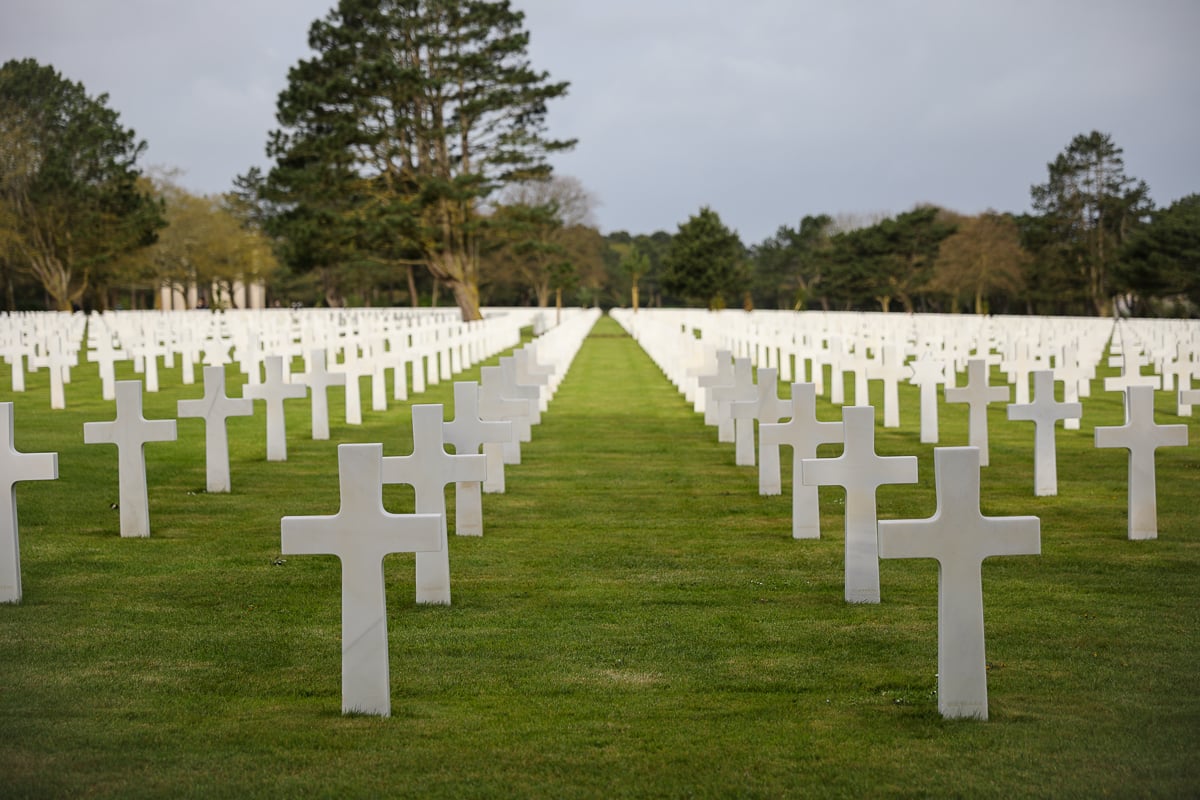
- Normandy American Cemetery: Overlooking Omaha Beach, this is the final resting place of 9,388 American service members who died during the Normandy campaign. The rows of white marble crosses stretching across the grassy hillside make this Normandy’s most moving WWII site, in my opinion.
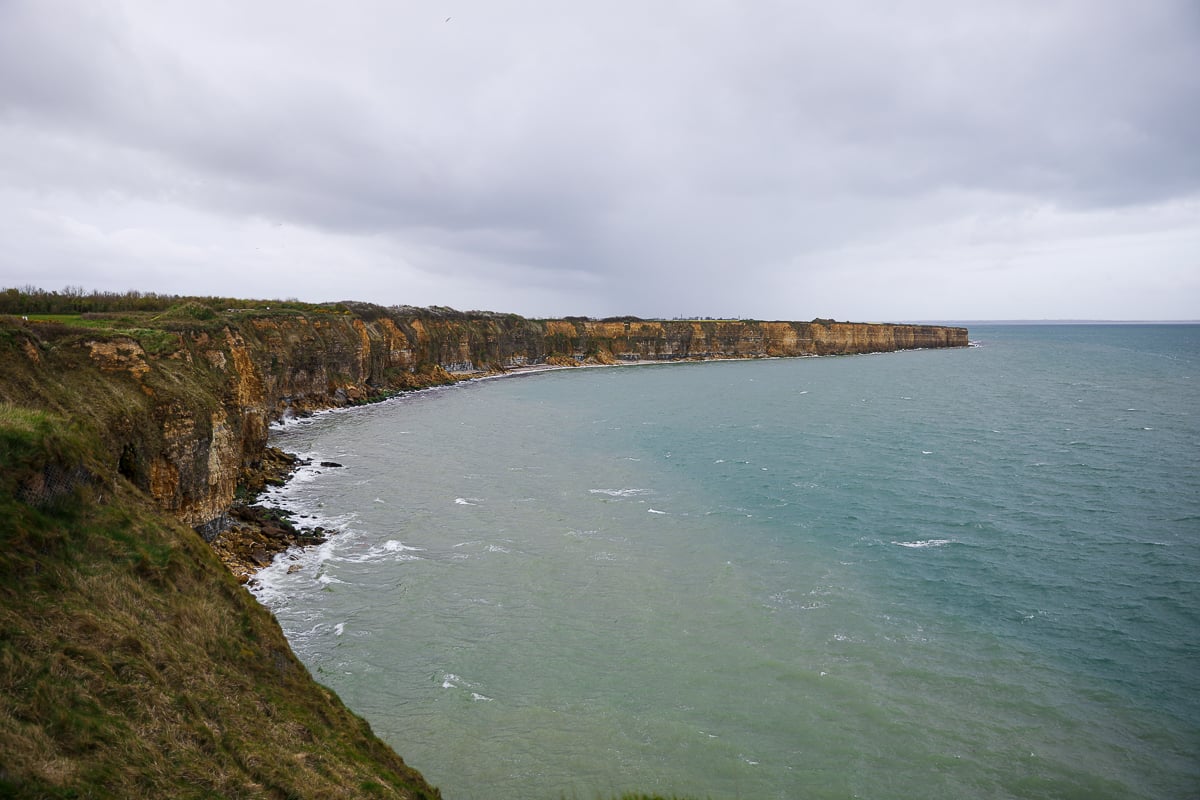
- Pointe du Hoc: On D-Day, U.S. Army Rangers scaled these dramatic 100-foot cliffs to capture German artillery positions believed to threaten the landing beaches. Today, you can still explore the German bunkers and see the enormous bomb craters that scar the landscape.
- Arromanches & Mulberry Harbour: After the D-Day landings, the Allies needed a way to bring enormous quantities of supplies and equipment ashore. They built two Mulberry Harbours, temporary artificial ports, and the remains of one can still be seen offshore at Arromanches.
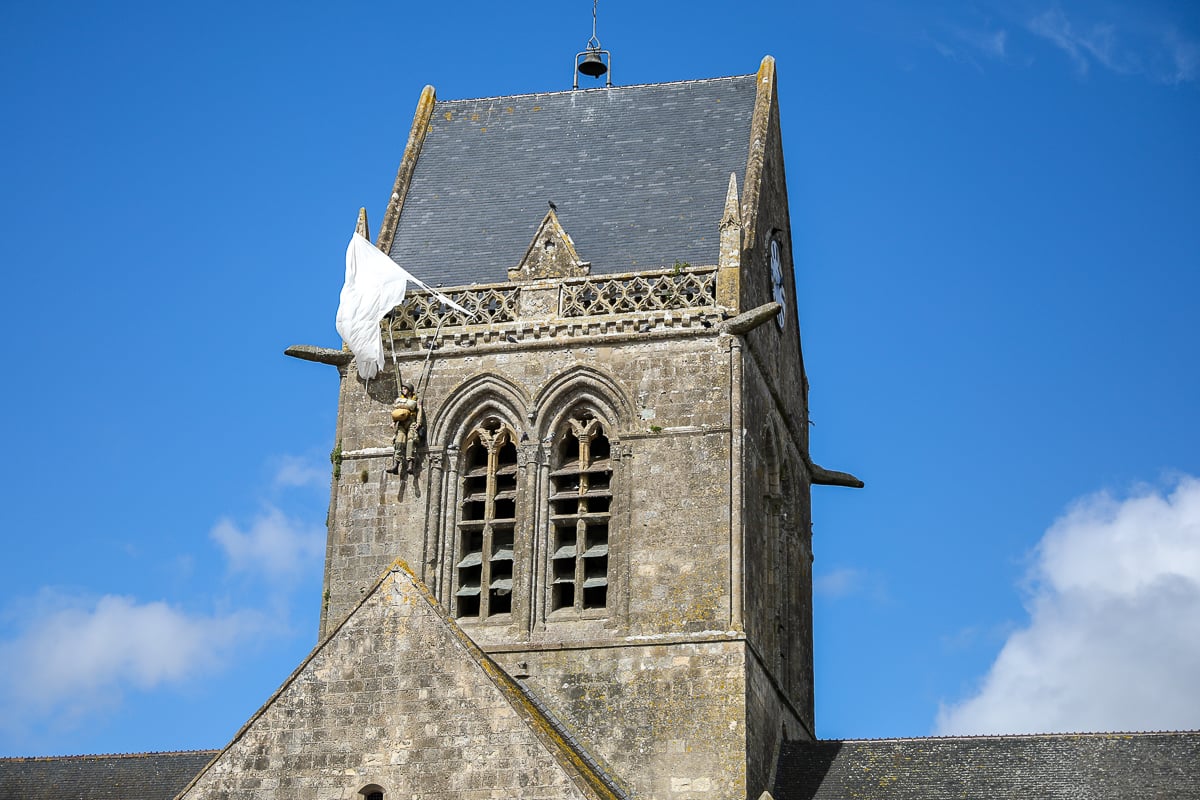
- Sainte-Mère-Église: This small town became one of the first liberated towns in France after American paratroopers from the 82nd and 101st Airborne Divisions landed nearby in the early hours of June 6. Look up at the church roof for the famous dummy paratrooper commemorating John Steele, whose parachute got caught on the steeple. Also, don’t miss the unique D-Day-themed stained-glass windows inside – I loved this!
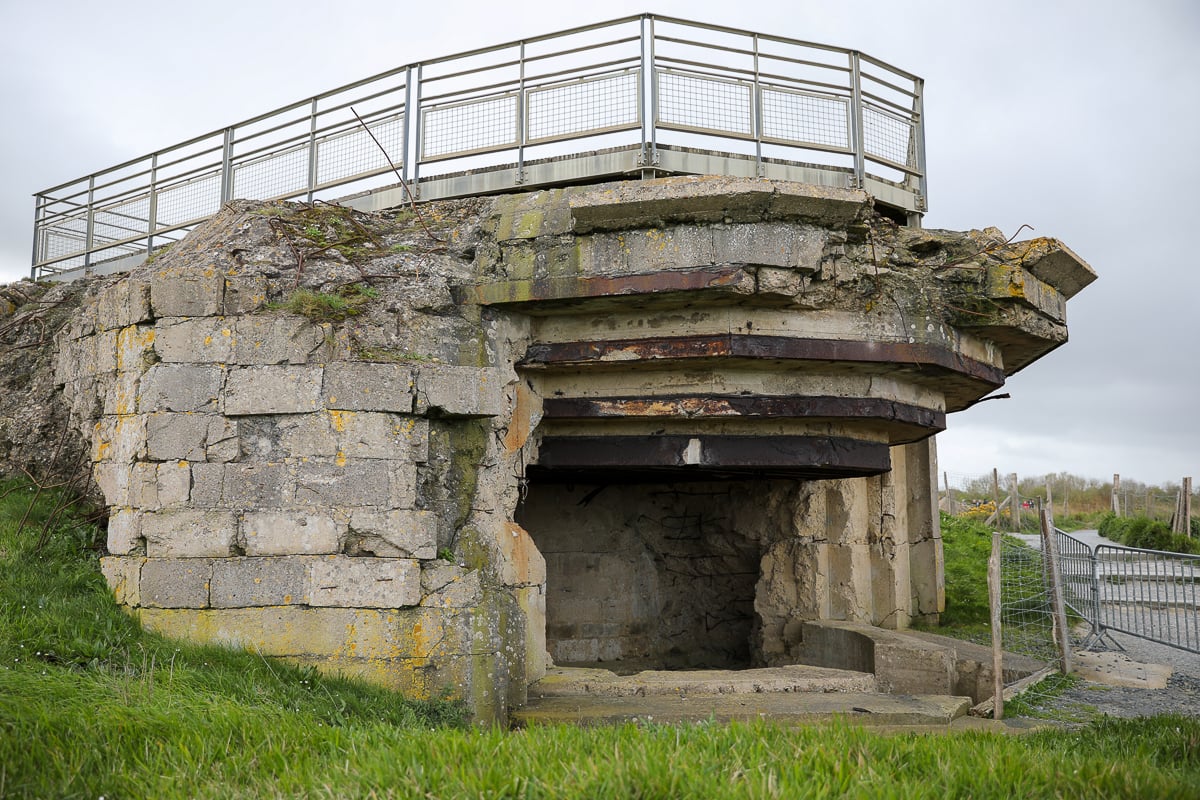
- Longues-sur-Mer German Gun Battery: This German coastal battery still has several concrete gun casemates overlooking the English Channel. The guns were positioned to fire on Allied ships approaching the landing beaches, and the battery was bombarded by Allied naval forces on D-Day.
- Juno Beach Centre: Located at Juno Beach, this museum focuses specifically on Canada’s role in WWII and the Normandy campaign.
- British Normandy Memorial: Overlooking Gold Beach, this memorial commemorates the British troops who died during the Normandy campaign.
- Mémorial de Caen: This major museum in Caen covers the broad history of World War II, alongside D-Day and the Battle of Normandy.
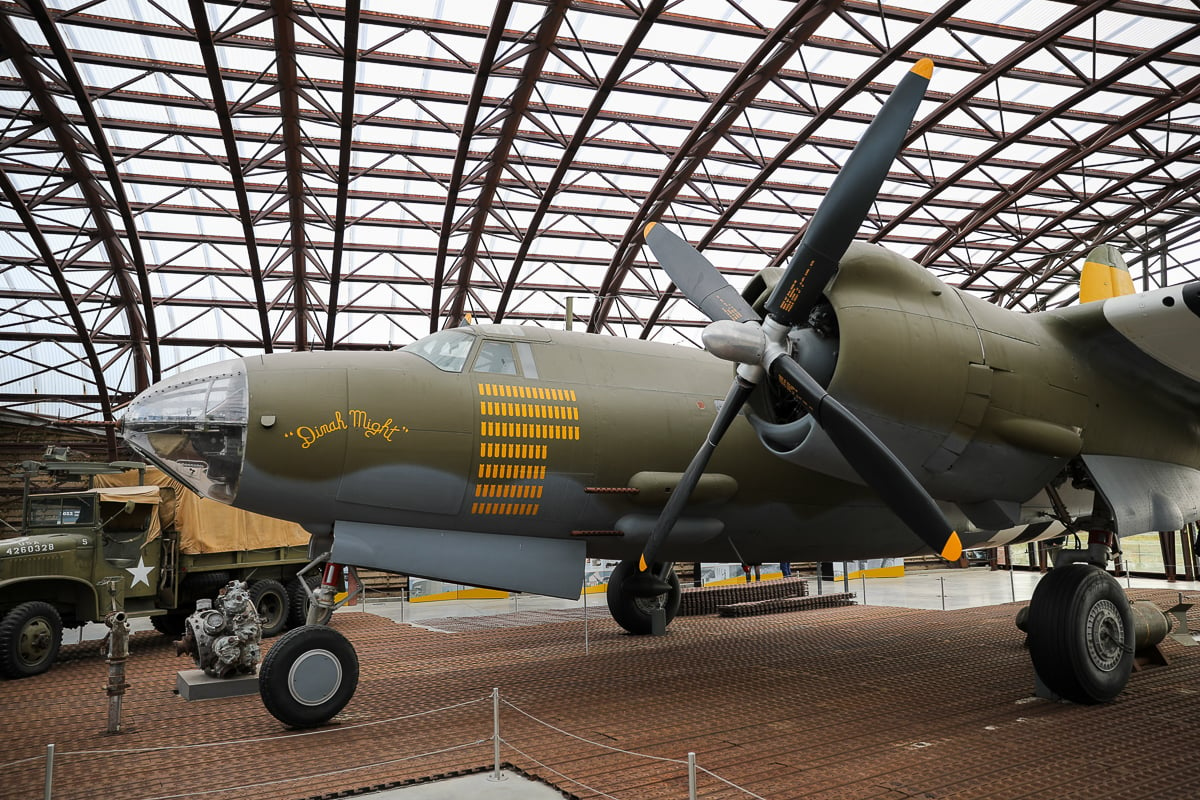
Other worthwhile WWII museums include the Overlord Museum, the Utah Beach Museum (I visited during my day trip), and the Airborne Museum.
MADDY’S TIP: For a typical one-day D-Day itinerary, I wouldn’t try to squeeze all of these in. Pointe du Hoc, the Normandy American Cemetery, and Sainte-Mère-Église are the ones I’d prioritize, alongside the landing beaches. Good guided tours combine several of these sites – and a couple of landing beaches – into a logical route.
Practical Tips for Visiting Normandy’s D-Day Sites
Before you visit the D-Day beaches, here are my best tips for making the most of your time in Normandy!
- Wear comfy shoes: You’ll be walking on sand, grass, gravel, and uneven terrain at many of the historic sites. Expect to spend a lot of time on your feet! I always wear these shoes for activities like this.
- Bring layers and rain protection: Normandy’s coastal weather can be windy, cold, and unpredictable, even when the forecast looks good. And yes, even in peak summer. Bring a light rain jacket and an extra layer. Even in the “driest” months of July and August, it still rains about 12 days per month in Bayeux!
- Check museum opening hours: If you’re visiting independently, check the opening hours of any museums you want to visit before building your day around them. Hours can vary seasonally.
- Don’t underestimate the distances: The D-Day sites stretch across a huge section of the Normandy coast, from Utah Beach in the west to Sword Beach in the east. If you’re planning your own self-guided itinerary by rental car, cluster sites together logically rather than zigzagging across Normandy. I’d rather see four or five sites properly than rush through eight!
- Check current visitor requirements: New pre-registration requirements are expected to take effect for visits to the Normandy American Cemetery, beginning in the summer of 2027. Check the official site for details.
- Check the tides: Normandy’s beaches can look dramatically different at high and low tide. If you’re driving yourself, checking the tide times can help you understand the landscape and plan your stops. If possible, try to visit the beaches at low tide – you’ll get a much better sense of the enormous scale of the beaches and the terrain the Allied troops had to cross.
- Book your tour in advance: If you’ve decided to take a guided D-Day tour, I recommend booking at least one month before your trip – particularly if you’re visiting in the high season (June through August).
FAQs About Normandy’s D-Day Beaches & WWII Sites
For most travelers, one full day is enough to see the major D-Day highlights, especially if you join a guided tour. During my American D-Day Beaches Full-Day Tour, I visited Omaha Beach, Pointe du Hoc, the Normandy American Cemetery, Utah Beach, the Utah Beach Museum, and Sainte-Mère-Église. If you want to explore more WWII sites, museums, and the surrounding Normandy region at a slower pace, I’d recommend renting a car for two or three days.
Yes! Taking a guided D-Day day trip from Paris is one of the easiest (and most popular) ways to visit Normandy – especially if you’re short on time. It’s a very long day (usually around 14 hours), but you can see several major sites without packing up and changing hotels. I recommend booking this Normandy D-Day Sites & Cemetery Day Trip from Paris with Lunch. It includes Utah Beach and its museum, Pointe du Hoc, Omaha Beach, and the Normandy American Cemetery. Plus, a delicious two-course lunch and Norman cider.
I’d choose Bayeux. It’s particularly convenient for visiting the American D-Day sites around Omaha and Utah, and it’s a charming destination in its own right. (The Bayeux Tapestry, the gorgeous cathedral, and the great restaurants are other drawcards!) Caen is still a good base, though – especially if you’re renting a car or want to explore the British and Canadian sectors and visit the Mémorial de Caen.
If you only have one day, I’d visit Omaha Beach and Utah Beach. They’re the two American landing beaches and are particularly easy to combine with other major sites like Pointe du Hoc, the Normandy American Cemetery, and Sainte-Mère-Église. If you have more time or have a particular connection to British or Canadian history, you might want to visit Gold, Juno, and/or Sword Beach instead.
You totally can, though I’d recommend a guided tour for most first-time visitors. The beaches are spread across roughly 50 miles (80 kilometers) of coastline, and most of what you’re looking at requires historical context to really understand. Our guide drove us around all day and made the beaches and other sites vividly come to life before our eyes – what more could you ask for?!
You can visit the D-Day beaches year-round. June is particularly special because of the annual commemorations around June 6 (and the nicer weather), but it is also a busier time to visit. For a quieter experience, spring and autumn are good alternatives.
Yes. Admission is free, and currently you do not need to book in advance. However, new pre-registration requirements are expected for visits beginning in summer 2027, so check the official ABMC website before your trip.
From Paris, I recommend this Normandy D-Day Sites & Cemetery Day Trip from Paris with Lunch. If you’re staying overnight in Bayeux, I’d go with this American D-Day Beaches Full-Day Tour – this is the exact one I booked. And lastly, if you’re basing yourself in Caen, this Small-Group D-Day Tour and Mémorial de Caen Museum is the most well-rounded option.