12 Best Things to Do in Parma, Italy + Must-Know Tips
Disclosure: This post may contain affiliate links; more info here.
I hope you’re prepared to gain a few pounds in Parma, Italy. Because between the Parmigiano Reggiano, Prosciutto di Parma, and mouthwatering egg pasta dishes, this city is all about eating… and then eating some more.
After exploring Parma, visiting artisanal producers throughout Italy’s Food Valley, ordering countless courses at traditional trattorias, and drinking my fair share of Lambrusco, my jeans were a little (no, a lot) tight. But obviously, that’s the correct way to experience one of Italy’s three UNESCO Creative Cities of Gastronomy.

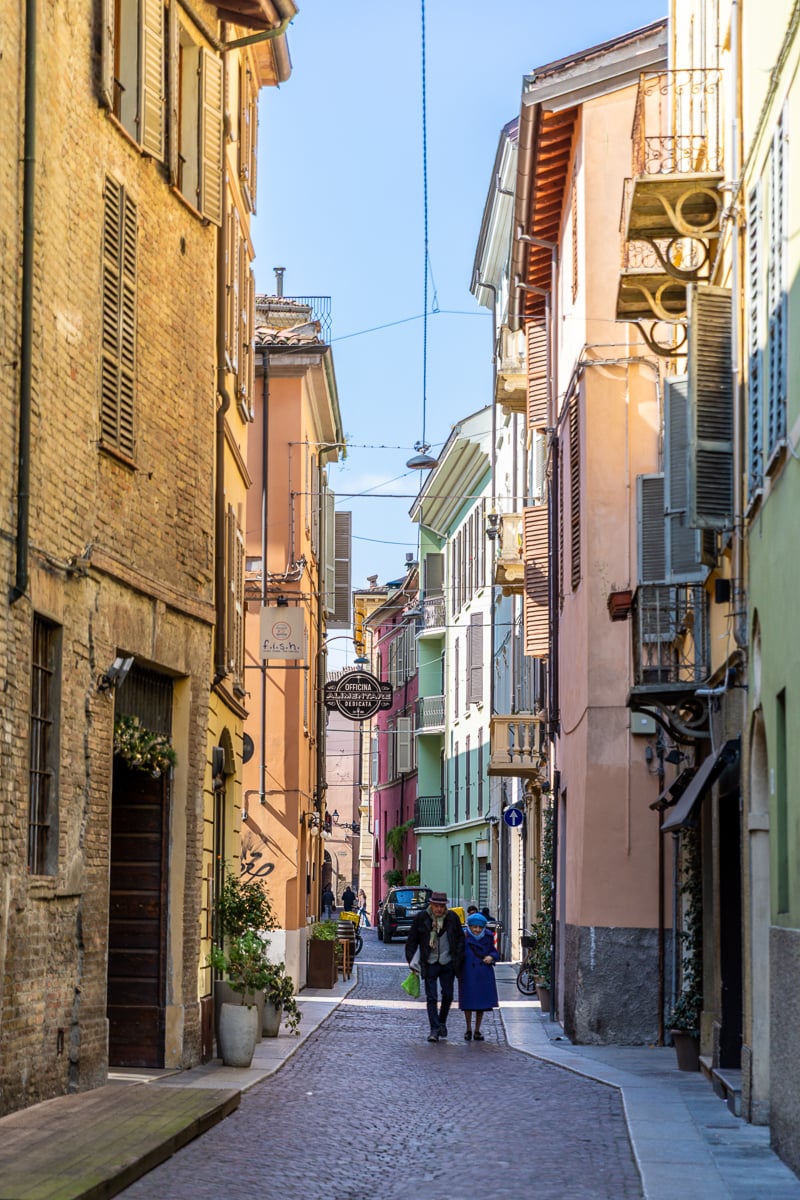
Parma has a lot more going for it than just food, though! Like colorful streets, beautiful Romanesque architecture, cool independent shops, lively wine bars, and epic must-sees like the Palazzo della Pilotta and Duomo di Parma.
And another major plus: Parma is super underrated. While everyone else flocks to Bologna, you’ll find yourself actually immersed in everyday Emilian life.
After two recent trips to Parma, I’m sharing all the best things to do in Parma – plus my favorite restaurants, places to stay, and tips for exploring the Food Valley of Emilia-Romagna.
Parma Travel Guide: Must-Dos & Quick Tips
Short on time? Peek at my top tips for your trip to Parma, then read on for all the details!
- Best things to do: Take this private walking food tour of Parma (my #1 must-do!), wander the historic center, visit Parma Cathedral and the Baptistery, explore the spectacular Palazzo della Pilotta, and tour Parmigiano Reggiano and Prosciutto di Parma factories.
- How long to stay: Two days is ideal! Spend one full day exploring Parma’s historic center, plus another visiting food producers throughout Food Valley.
- Where to stay: Book Bellacorte Gentiluogo per Viaggiatori for a beautiful boutique stay in the historic center, or the Relais Roncolo 1888 organic wine estate (a property I’ll never stop day-dreaming about!) for an unforgettable luxury countryside experience.
- Getting to Parma: You can easily reach Parma by train from Bologna, Modena, Milan, Florence, and other nearby cities. The historic center is walkable, but I recommend renting a car if you want to explore Food Valley independently.
Best Things to Do in Parma
From unforgettable food experiences to spectacular historic sights, here are the best things to do in Parma and the surrounding countryside.
1. Go on a Food Tour of Parma
This isn’t up for debate: taking this Private Food Walking Tour of Parma is the best thing you can do in Parma. It’s the culinary capital of Italy’s Food Valley, after all.
Before this tour, I’d already taken walking food tours in neighboring Bologna and Modena. And I was shocked by how hyper-local and distinctive each city’s cuisine is. In Parma, we tried countless specialties I’d never heard of before – and haven’t since!
We met our local guide in Piazza Garibaldi, then spent three delicious hours exploring the historic center. We stopped at five traditional food shops and restaurants, and learned all about Parma’s culinary traditions and history along the way.
Here’s what we tasted:
- Erbazzone Reggiano: We started with a rustic savory pie (a traditional Emilian farmers’ dish), filled with chard, spinach, ricotta, onions, and Parmigiano Reggiano.
- Traditional pastries: We tasted crumbly sbrisolona, an almond and cornmeal cake dating back centuries, and decadent torta duchessa, made with hazelnut shortcrust, dark chocolate cream, and zabaglione.
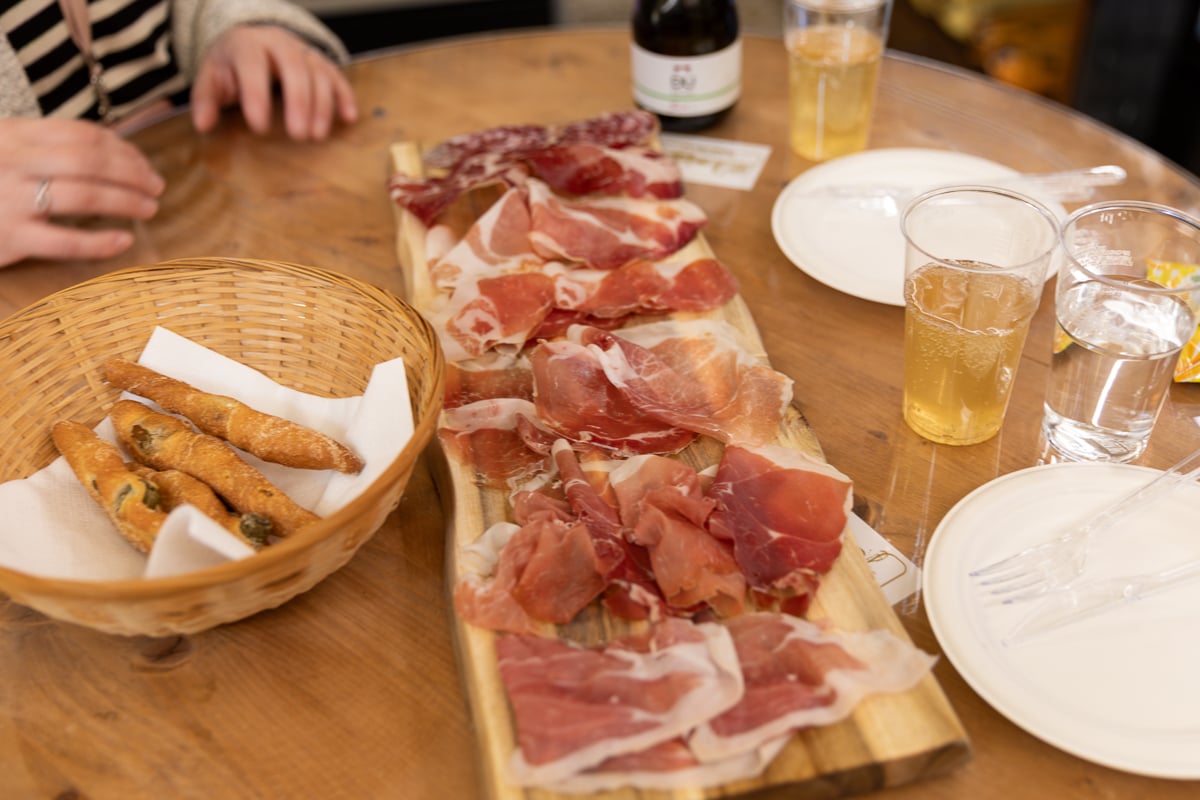
- Cured meats: This was my favorite part! We sampled an incredible assortment of eight regional cold cuts and salami, including Prosciutto di Parma, Salame Felino, Coppa, Culaccia, Spalla Cotta, and the prized Culatello di Zibello (melt-in-the-mouth perfection). Our guide explained the different cuts, curing methods, and traditions, and we washed it all down with a locally produced, naturally sparkling white wine.
- Balsamic vinegar of Modena: We compared two traditional balsamic vinegars of Modena DOP – one aged for at least 12 years and another for at least 25!
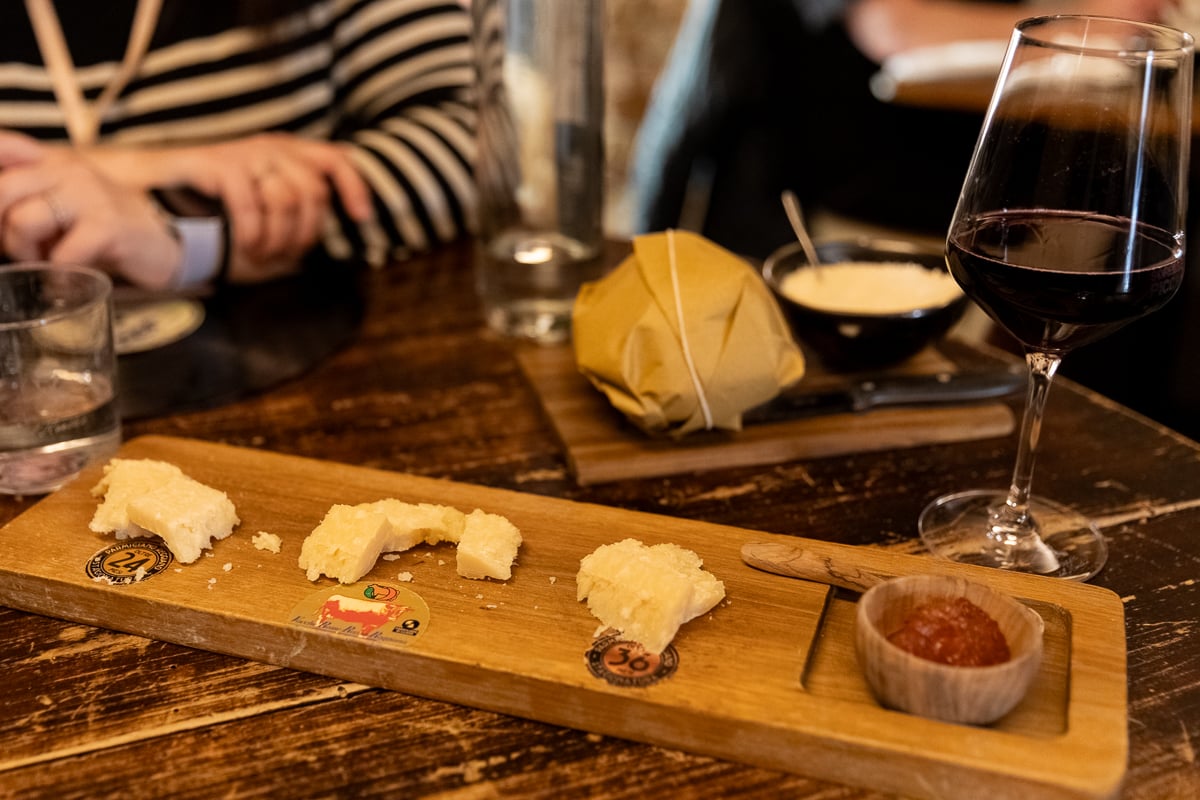
- Parmigiano Reggiano: We compared 24- and 36-month-aged Parmigiano Reggiano, plus the much rarer Vacche Rosse variety, made with milk from heritage red cows. I also discovered a new obsession: mostarda, a sweet, spicy fruit preserve made with mustard essence. Ours contained pear, kiwi, and ginger – heaven on top of cheese!
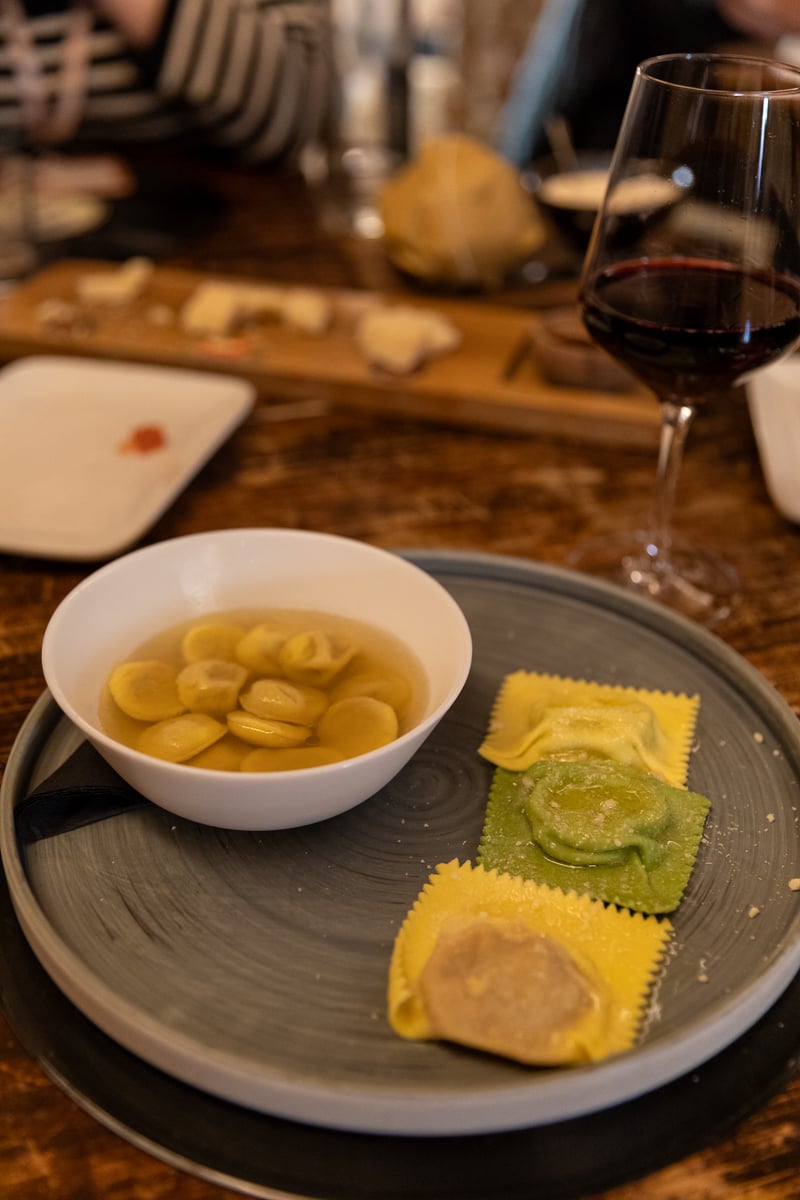
- Traditional Parmese pastas: At a little trattoria, we tried handmade stuffed pastas, including anolini in brodo and different varieties of tortelli, with fillings like ricotta and spinach, pumpkin with amaretti cookies (totally unexpected!), and Spalla Cotta with ricotta. All seasoned with more nutmeg than I’d have guessed. And there was plenty of Lambrusco to go around!
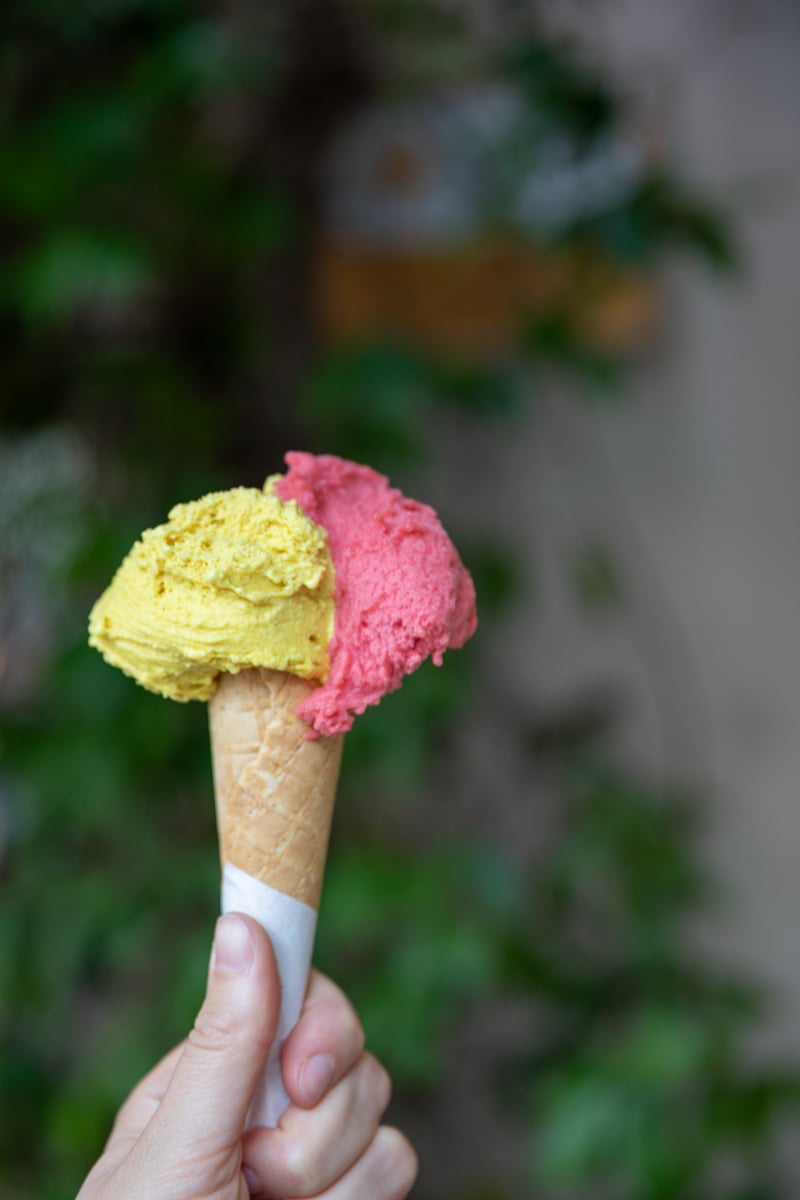
- Artisanal gelato: We finished with some of the most creative gelato ever. Think garam masala, mango, and cardamom; Costa Rican pineapple with rosemary; and banana, black garlic, and Andaliman pepper. Wild!
See why I say this is a must-do?
Book your Private Food Walking Tour of Parma!
MADDY’S TIPS: Book the option that includes all food and wine tastings. That’s what we did, so we didn’t have to worry about paying separately at each stop. And come hungry – you definitely won’t need another lunch.
2. Wander Parma’s Historic Center + Piazza Garibaldi
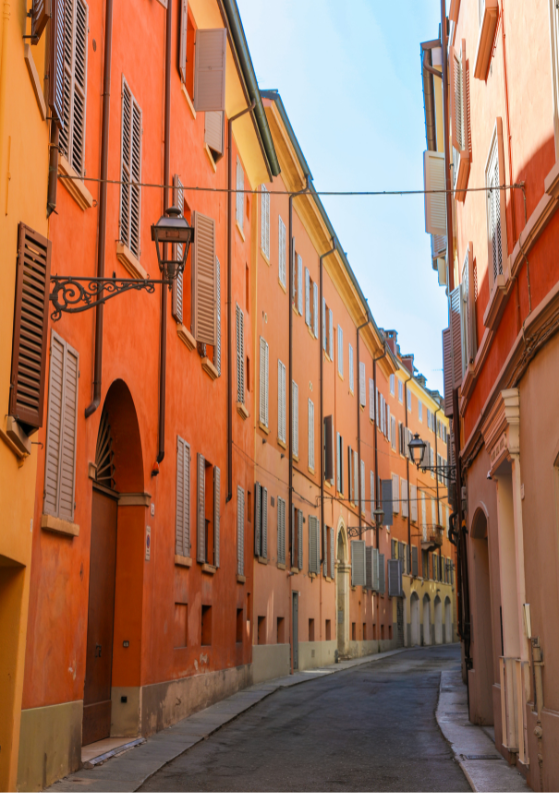
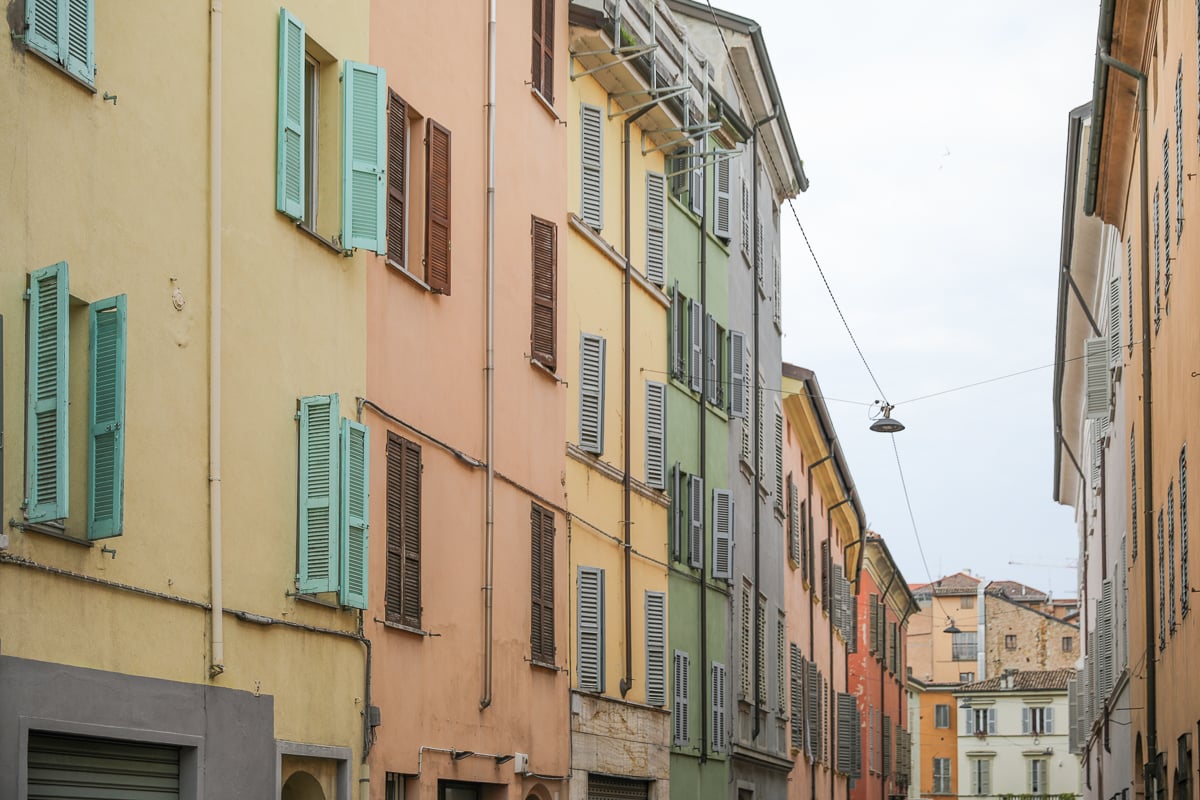
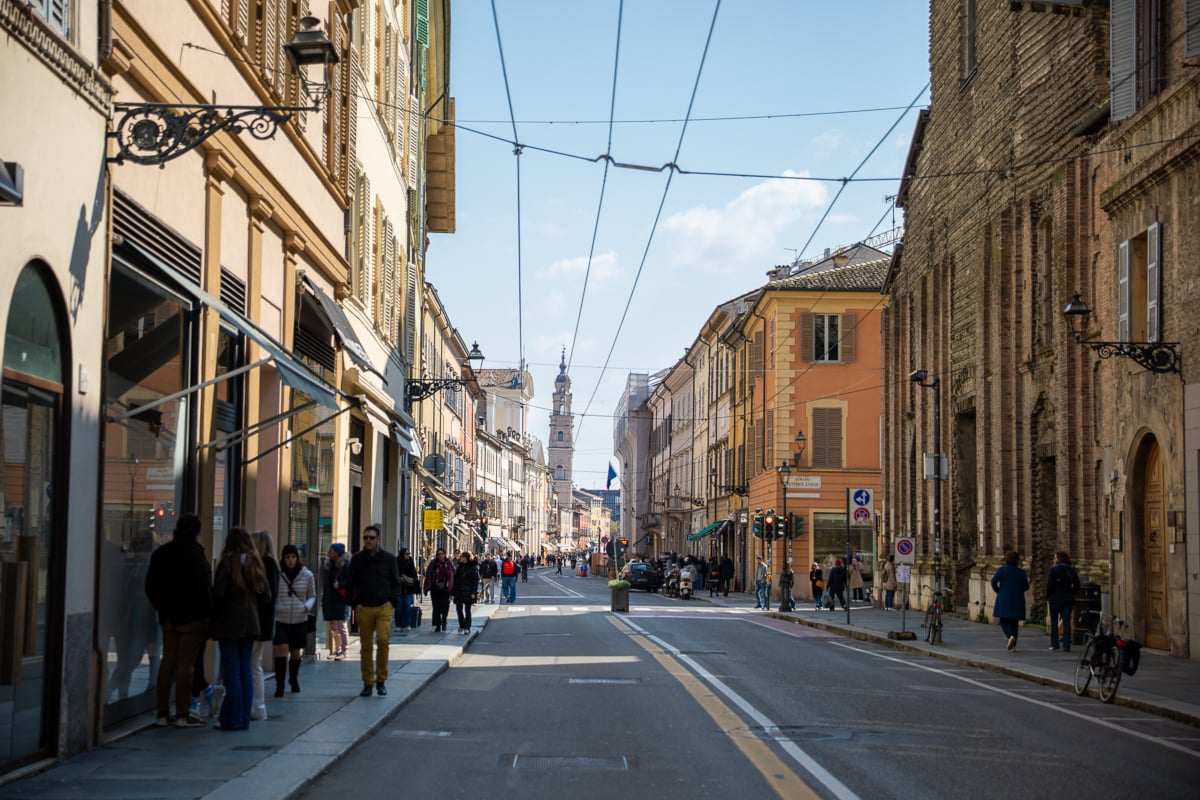
Parma’s lively cobblestone streets are lined with colorful buildings, historic churches and palazzi, cool boutiques, little wine bars, and artisanal food shops. In other words, it’s a pleasure to explore on foot.
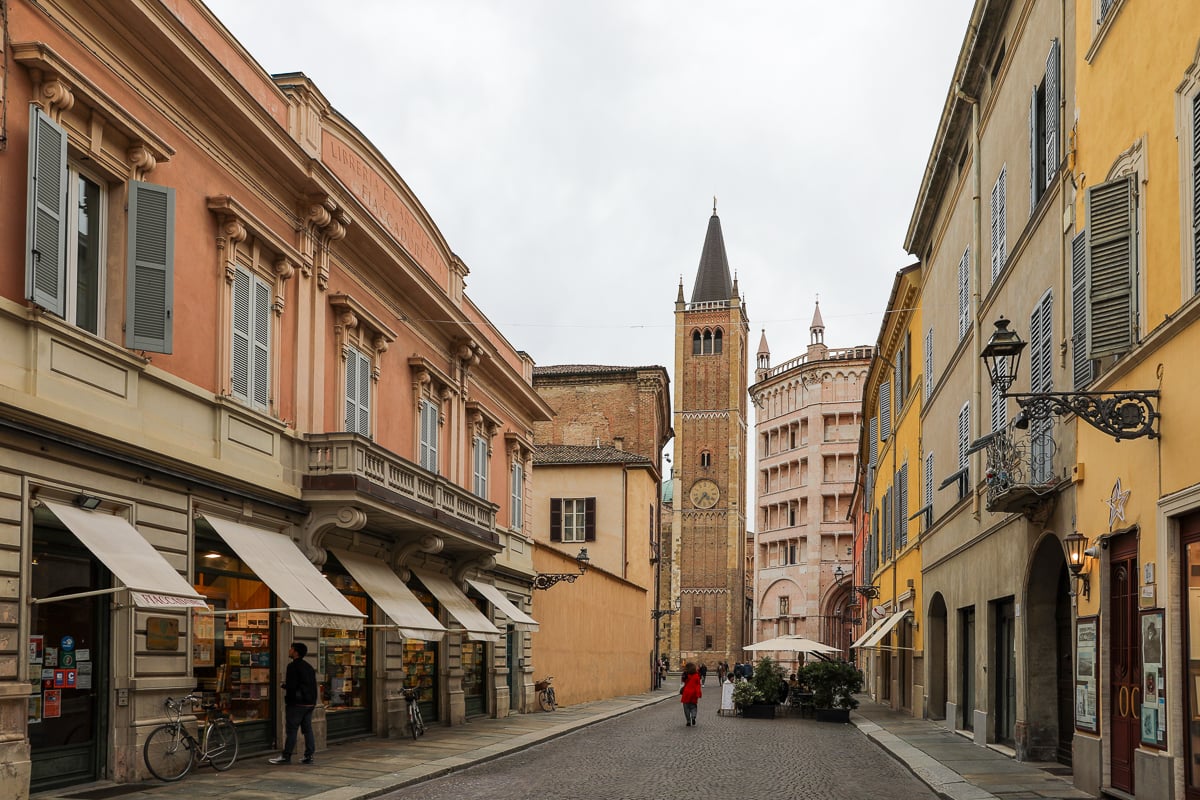
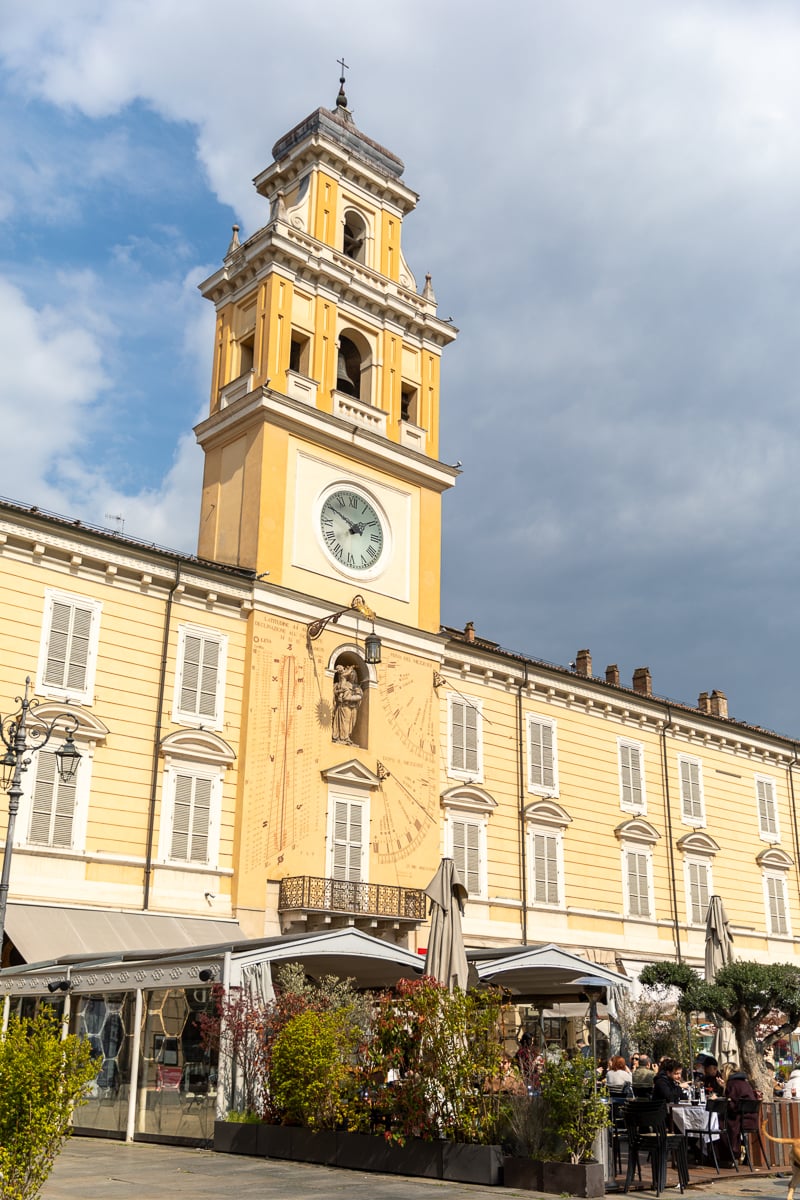
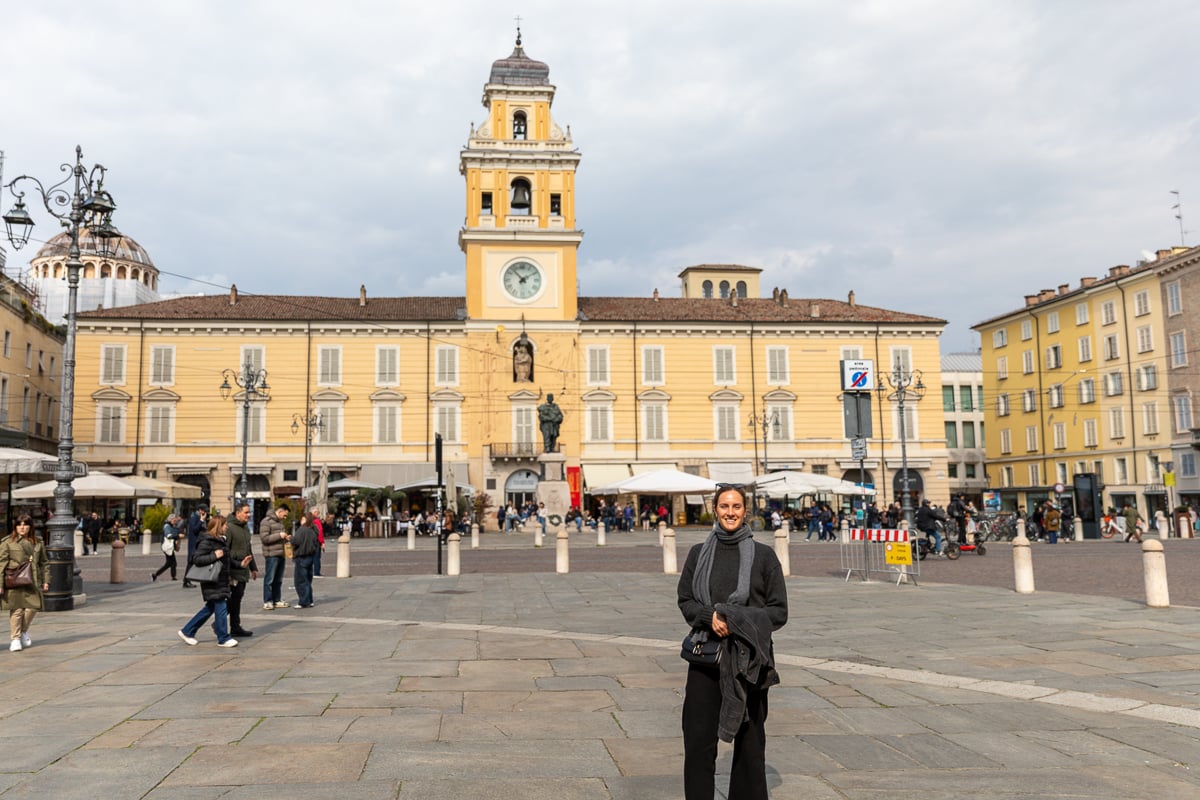
Start in Piazza Giuseppe Garibaldi, Parma’s main square, where you’ll find the impressive Palazzo del Governatore, with its clock tower and historic sundials, the Town Hall, and a statue of Giuseppe Garibaldi himself (FYI: he’s one of the “Fathers of Italy”).
From there, wander along Strada Cavour toward Piazza Duomo, stopping to browse the shops along the way. Two cool historic businesses we discovered were:
- Oliva Stampe Antiche: An antique print shop dating back to 1897, filled with beautiful prints, engravings, and artwork.
- Libreria Fiaccadori: Founded in 1829, this bookstore is a fantastic place to browse books on art, architecture, photography, and more.
As you explore, look out for the tiny mosaic cobblestones embedded in the streets. Since 2021, local artist Giuseppe Fornasari has created around 200 of them, all different, and often signposting the historic shops around town.
Don’t miss Strada Farini and its surrounding lanes, either. These streets are packed with independent shops, restaurants, and wine bars, and are super lively in the evening when locals head out for aperitivo.
3. Marvel at Parma Cathedral (Duomo di Parma)
Of all the incredible churches I’ve visited across Italy, Parma Cathedral is a standout! (Siena is up there, too.)
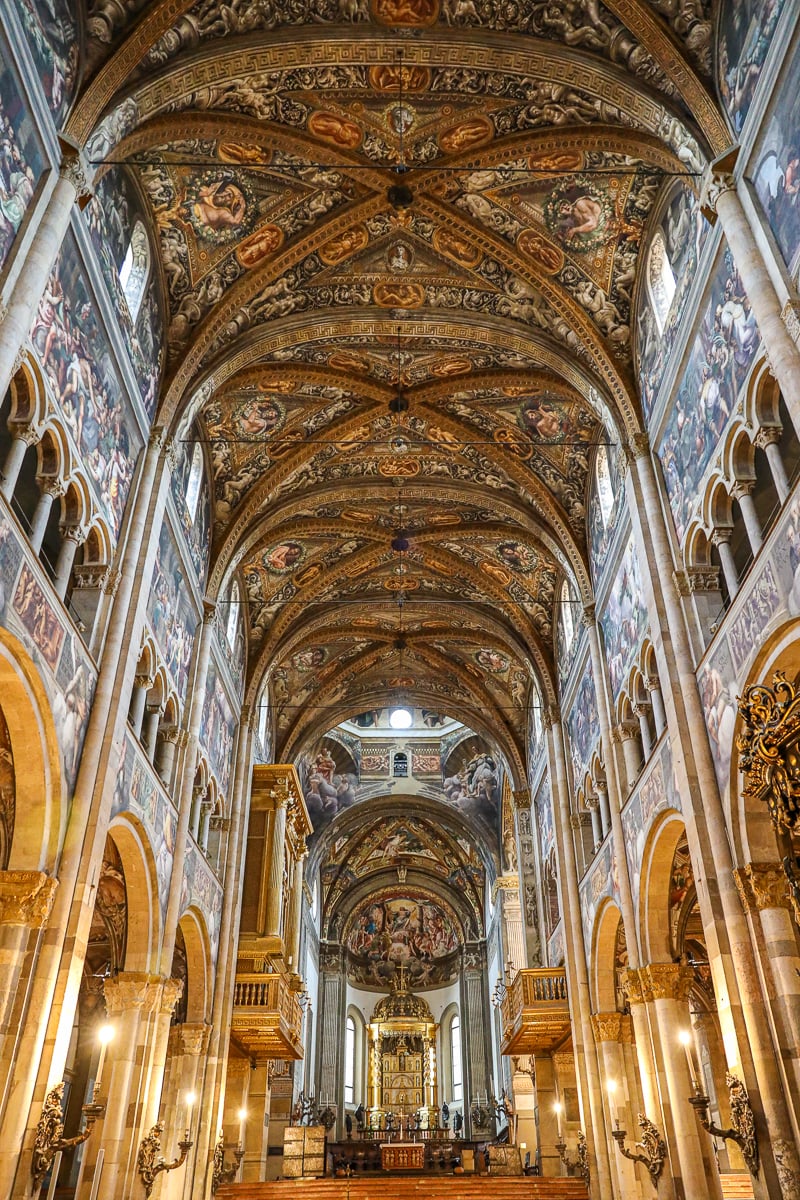
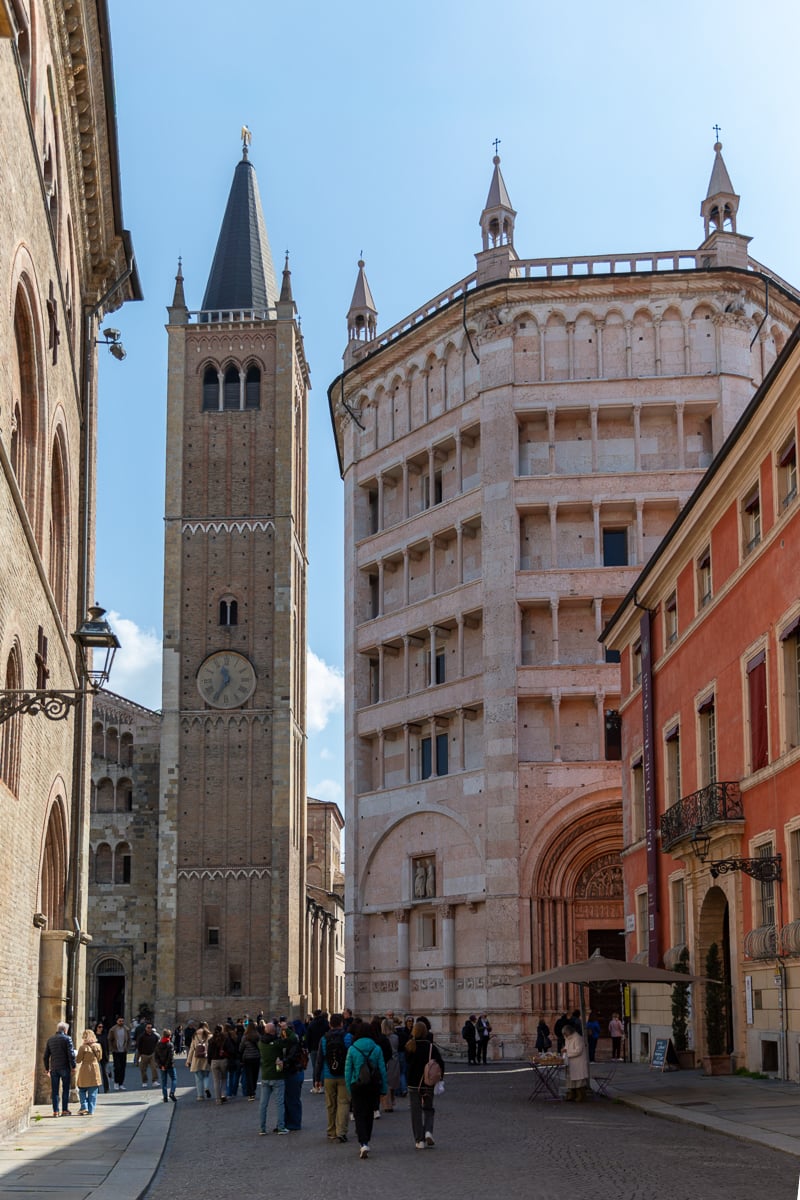
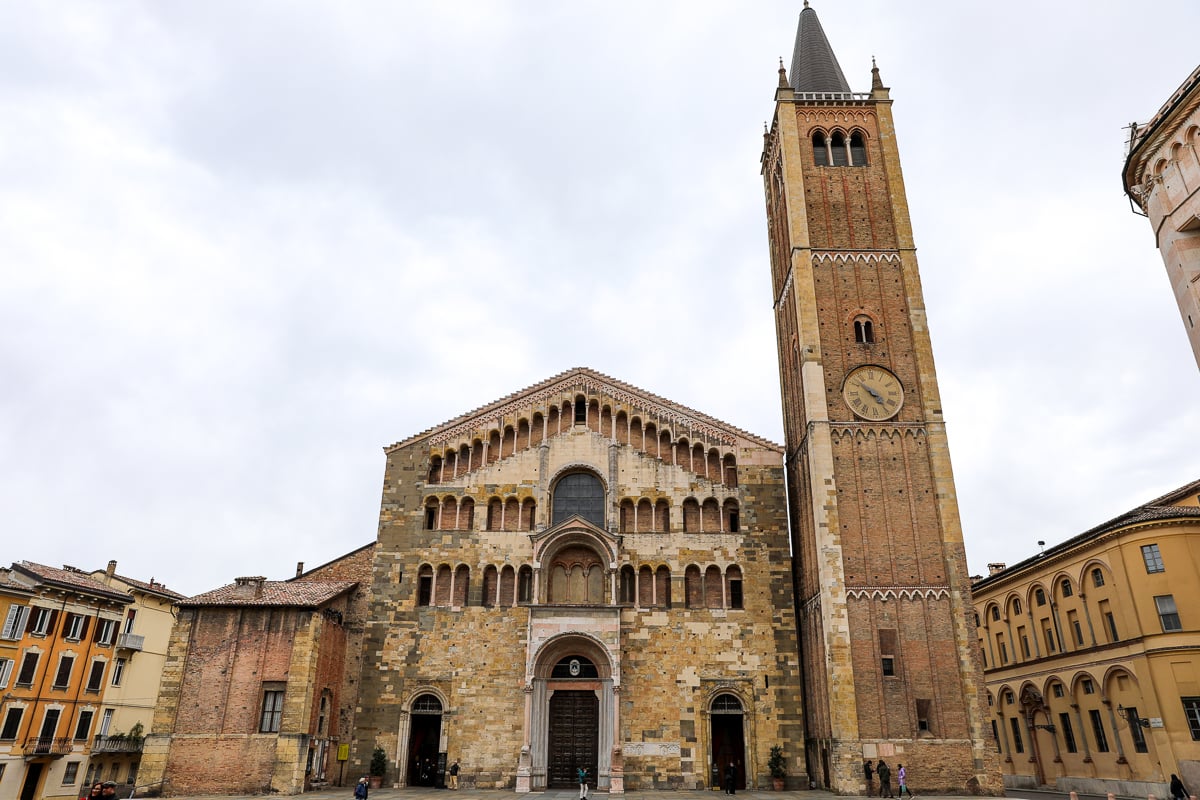
Dating back to the 11th century, this magnificent Romanesque cathedral dominates Piazza Duomo with its sandstone façade, elegant arches, and Gothic bell tower.
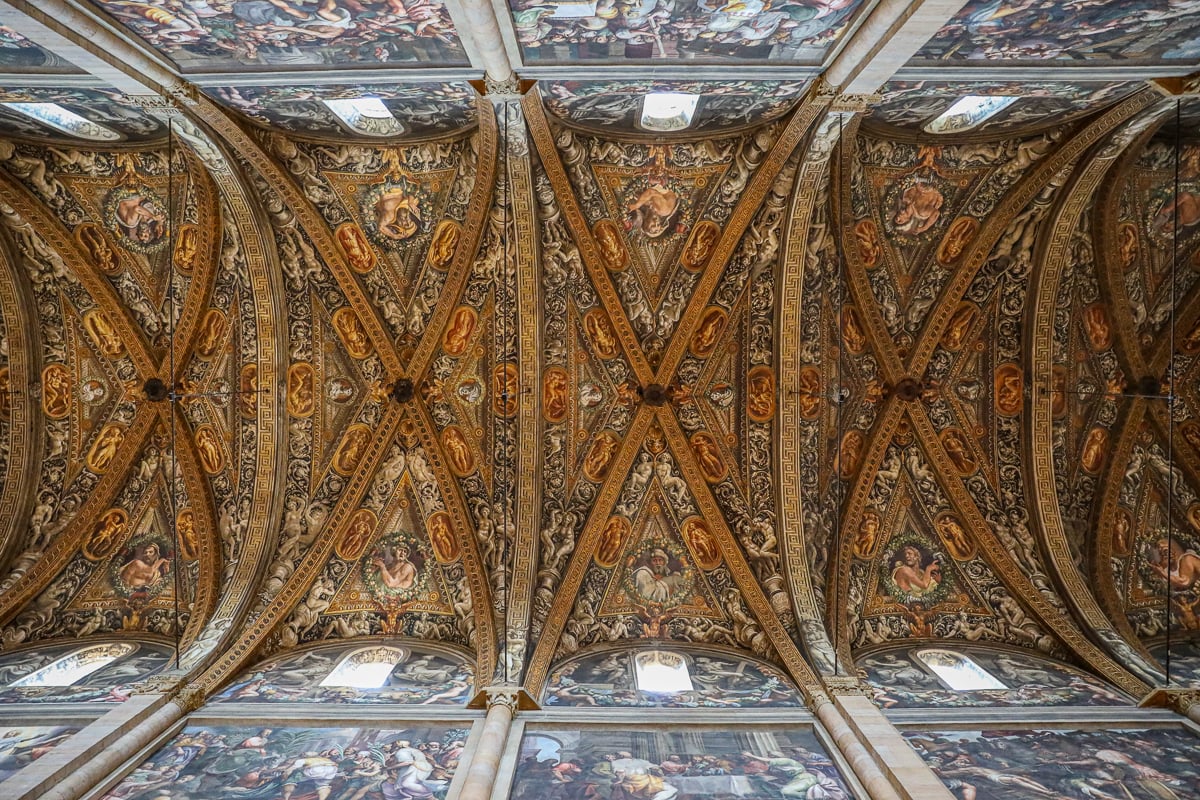
But the interior is the main attraction… The elaborate vaulted ceilings and frescoes are spectacular – especially Correggio’s Assumption of the Virgin, painted across the cathedral’s enormous dome between 1526 and 1530. Considered a masterpiece of Renaissance painting, it depicts angels, saints, and clouds swirling toward the heavens, creating an extraordinary illusion of depth and movement.
Other highlights are Benedetto Antelami’s 12th-century marble relief, Deposition from the Cross, and the crypt.
Entry to Parma Cathedral is free.
4. Visit the Parma Baptistery (Battistero di Parma)
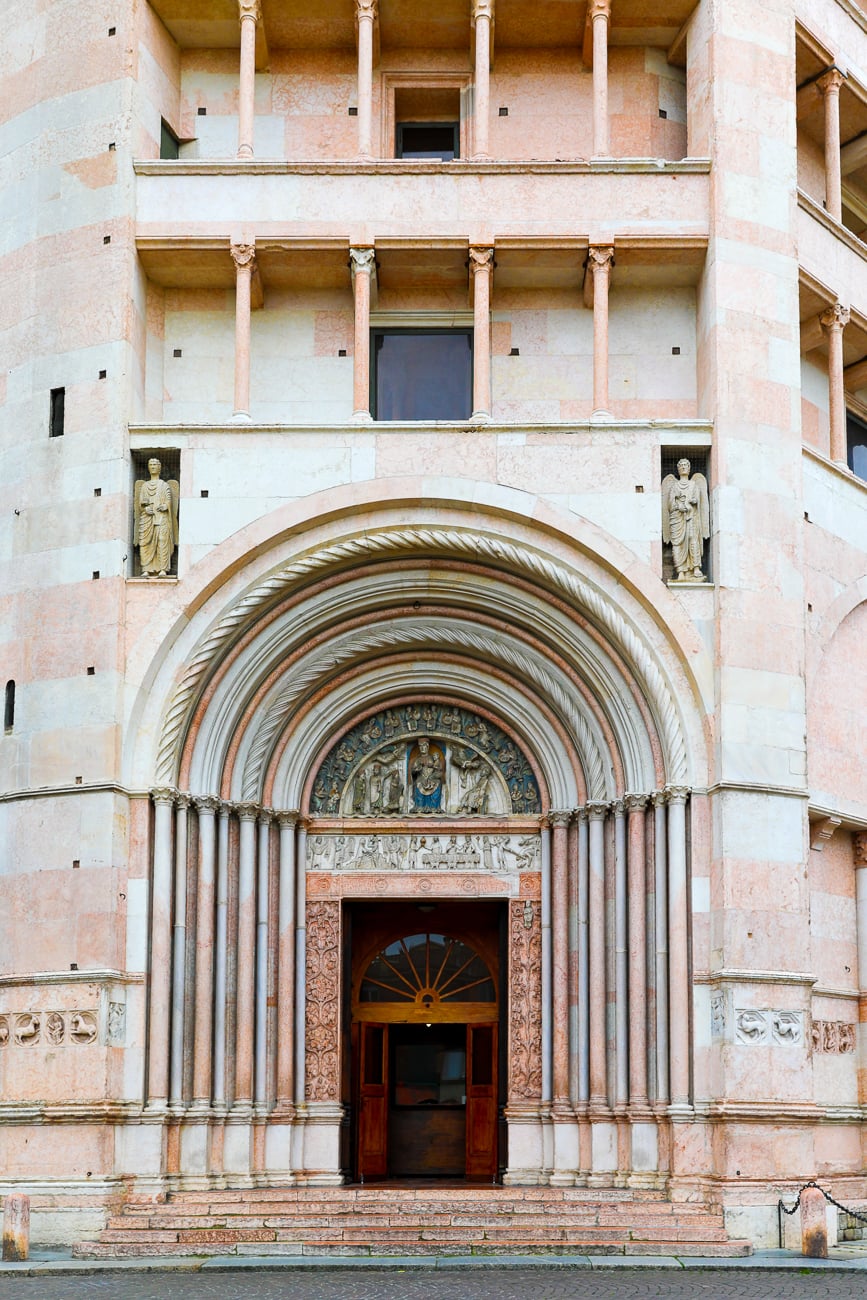
Right next to the cathedral stands the Parma Baptistery, an extraordinary octagonal building clad in pink Verona marble.
Designed by renowned sculptor Benedetto Antelami, the Baptistery dates back to 1196. It blends Romanesque and Gothic architecture, with intricate carvings adorning its three entrances.
But just like the cathedral (and even more so), the magic is inside. The baptistery’s dazzling interior features 16 sides, soaring marble columns, and beautiful medieval frescoes covering the walls and domed ceiling.
Admission costs €12 and includes entry to the adjacent Diocesan Museum.

5. Tour a Parmigiano Reggiano Cheese Factory
Let’s talk about what we all came for: Parmigiano Reggiano (A.K.A. “The King of Cheeses”).
You can’t visit the Food Valley and skip a Parmigiano Reggiano factory tour. Seeing how one of the world’s most famous cheeses is made will be a highlight of your Italy trip!
Decked out in blue protective gear, you’ll watch the cheesemakers transform enormous vats of fresh milk into curds, strain them, and shape them into those iconic 40-kilogram wheels.
During my tour, some of the factory workers were making ricotta, too, with the sweet liquid whey that’s a byproduct of Parmigiano-making.


In other rooms, you’ll see massive salt baths, where the wheels spend roughly three weeks before aging for at least 12 months.
Then, the best part. You’ll walk into a gigantic aging room, with towering shelves holding thousands of wheels of Parmigiano Reggiano! The sight (and, obviously, the smell!) is unbelievable. And mouthwatering.
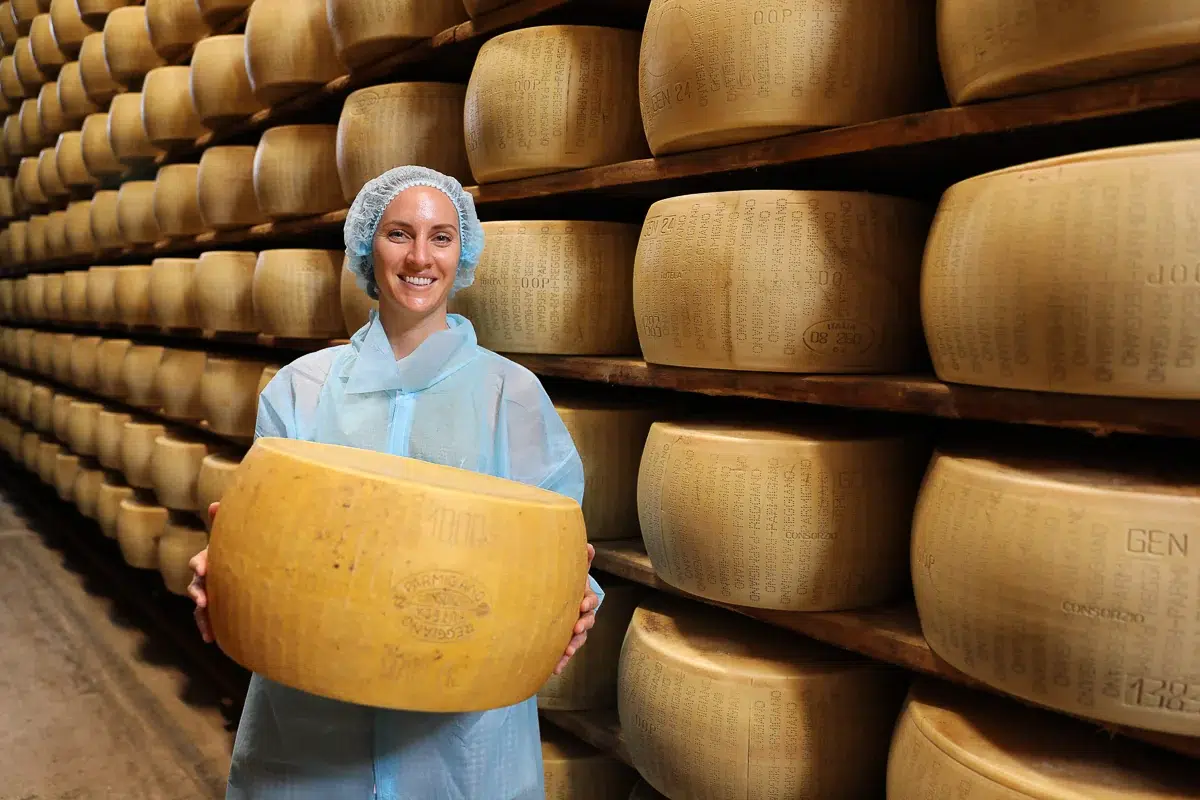
And, finally, the cheese tasting! Just wait until you try 36-month-aged Parmigiano Reggiano. Deeply savory, crumbly, and filled with salty little crystals, it’s so good.
Departing from Parma, these are the two best tour options:
- Small-Group Parmigiano Reggiano Factory & Bike Tour: From Parma, you’ll cycle into the countryside, tour a working cheese dairy, then head back into town for a traditional lunch with regional cured meats and wine.
- Parmigiano Reggiano & Parma Ham Factory Tour: On this half-day tour, you’ll visit a cheese factory and a Prosciutto di Parma producer, with plenty of delicious tastings along the way.
MADDY’S TIP: Book a morning factory tour to see the cheesemakers in action. Much of the production happens early in the day, right after the fresh milk comes in from the farms!
READ MORE: Food Factory Tour from Bologna: The Best Foodie Experience in Italy!

6. Visit a Prosciutto di Parma Factory
Prosciutto di Parma is another iconic specialty, produced exclusively in the province of Parma. This world-famous DOP ham is made with just two ingredients: Italian pork and sea salt. No additives or preservatives. Just centuries-old traditions, careful craftsmanship, and at least 14 months of aging!
If you love cold cuts, you should book a Prosciutto di Parma factory experience.
During my tour, we explored the entire production process, moving through different rooms and floors where the pork legs are salted, washed, dried, and cured.
Some rooms were freezing cold, while others were warm, with very pungent smells. So, fair warning: If you’re squeamish about smells or seeing raw meat, you might want to skip this experience!

But the most impressive sight was walking into enormous aging rooms, with thousands upon thousands of pork legs hanging from racks.
We also learned about the strict production standards behind authentic Prosciutto di Parma, including how each ham is inspected before receiving the famous five-pointed Parma crown certification.
And of course, there’s always a tasting! After seeing what goes into producing these beautiful hams, you’ll appreciate those delicate, paper-thin slices of Prosciutto di Parma even more.
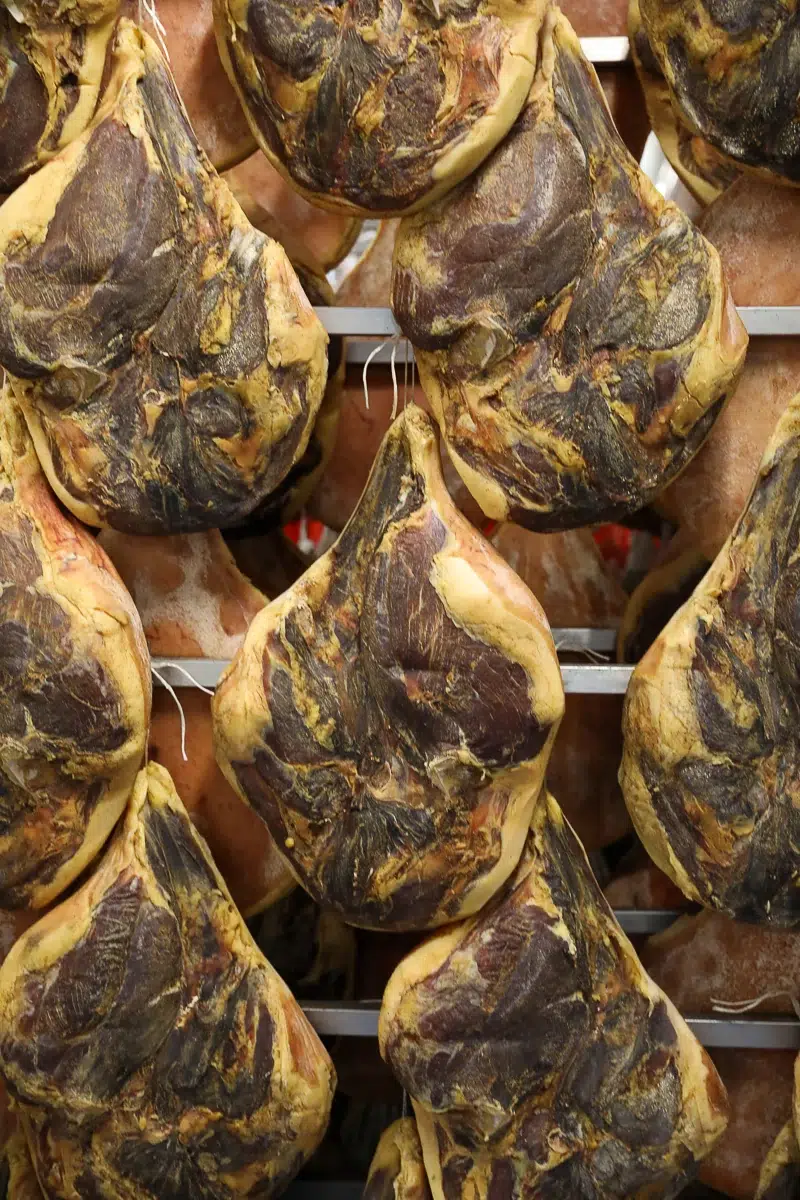

For a two-in-one factory experience, book the Parmigiano Reggiano & Parma Ham Factory Tour I already mentioned.
Or, for the ultimate Food Valley trifecta, book this Parmigiano Reggiano, Parma Ham & Balsamic Vinegar Tour. It’s ideal if you don’t already have separate plans to visit Modena and discover traditional balsamic vinegar production!
7. Explore Palazzo della Pilotta and Teatro Farnese
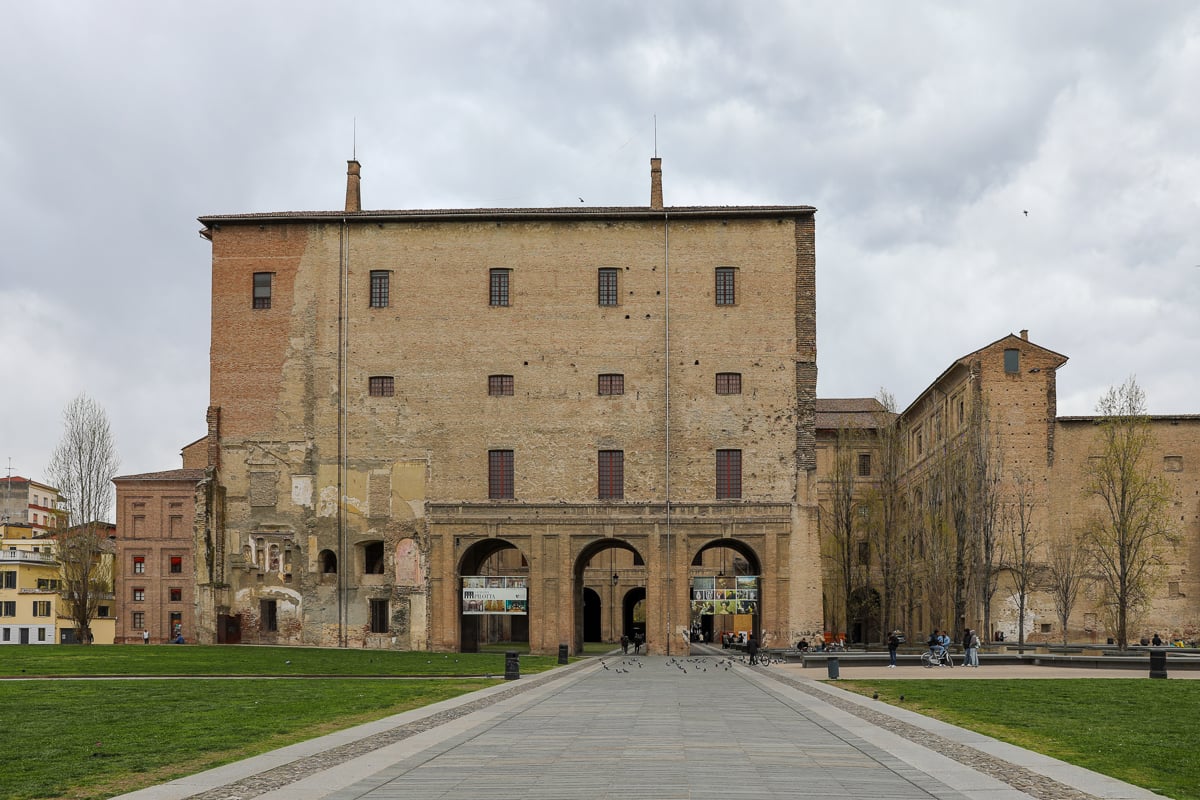
Exploring the Palazzo della Pilotta is my favorite non-food-related thing to do in Parma. This gigantic former ducal palace houses some seriously impressive art, architecture, and history.
From the outside, the sprawling brick complex looks rather imposing. Inside, it’s a maze of grand halls, soaring ceilings, national treasures, and seemingly endless art galleries.
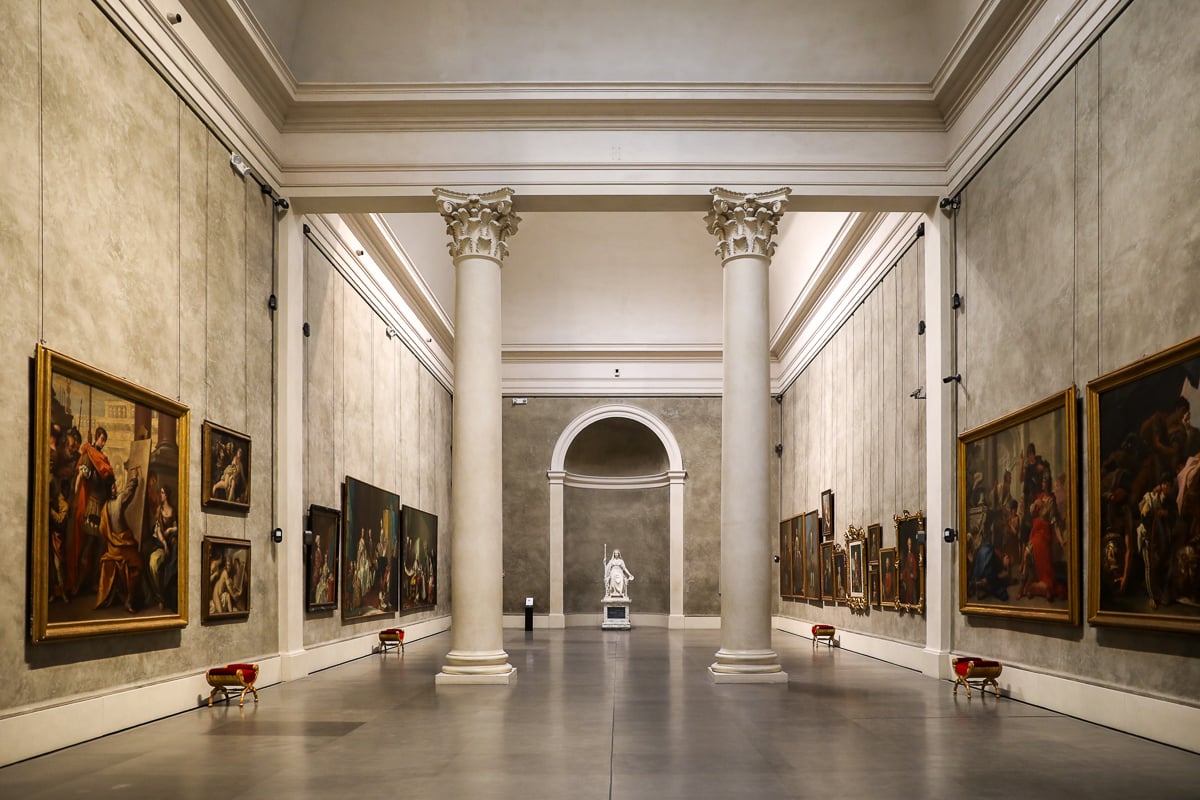
The Galleria Nazionale di Parma is particularly impressive, with an incredible collection of Renaissance masterpieces, enormous paintings, sculptures, and portraits spanning centuries.
You’ll also find the National Archaeological Museum and the magnificent Biblioteca Palatina, a historic library filled with centuries-old books. I loved strolling through and reading the interesting titles on the old spines.
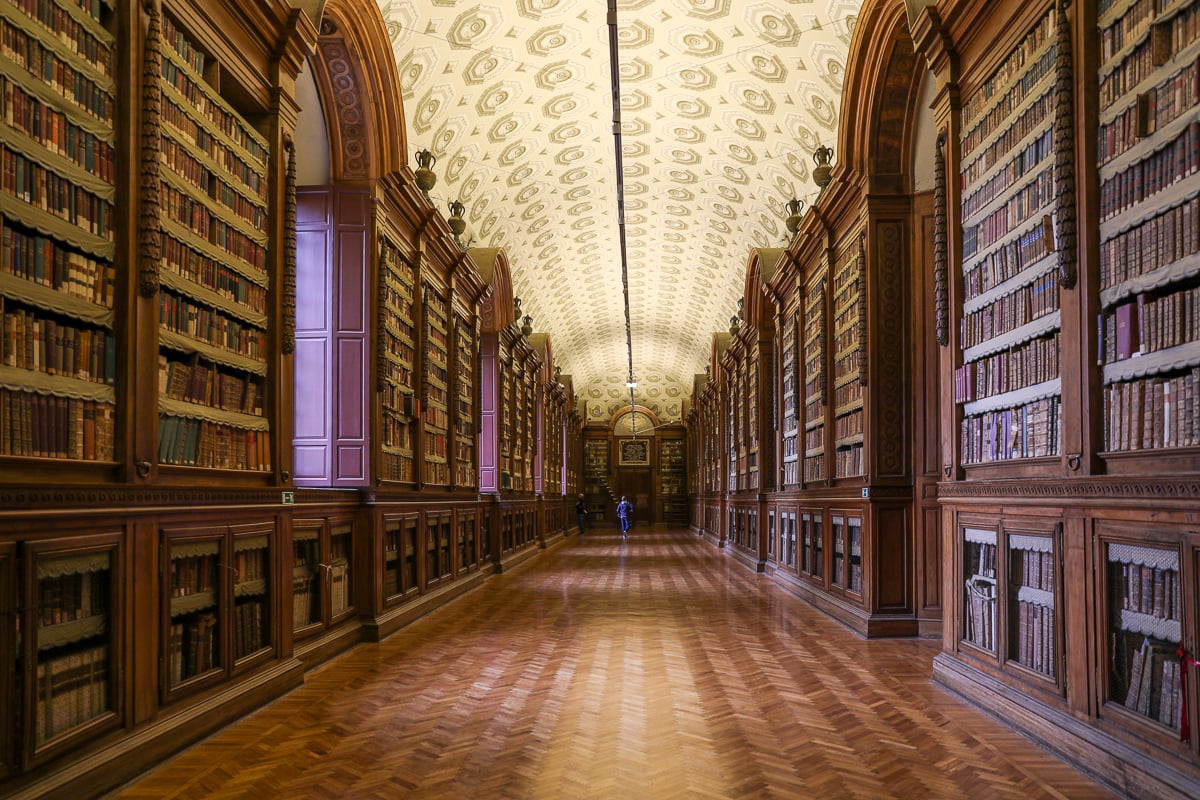
The biggest showstopper might just be the Teatro Farnese. Built in the early 1600s for the Farnese dukes, this spectacular wooden theater features towering tiers of seating, classical columns, and an enormous stage. It was almost completely destroyed during World War II, then painstakingly reconstructed.
Plan for 1.5 to 2 hours at Palazzo della Pilotta, or a lot longer if you’re super into art and history.
MADDY’S TIP: Admission usually costs €18, but if you visit between 5 and 6 PM, you’ll pay just €10! We arrived right at 5 PM to take advantage of that deal. The complex closes at 7 PM (last admission is at 6 PM) and is closed on Mondays. Double-check these details on the official website before you go.
8. Relax in Parco Ducale
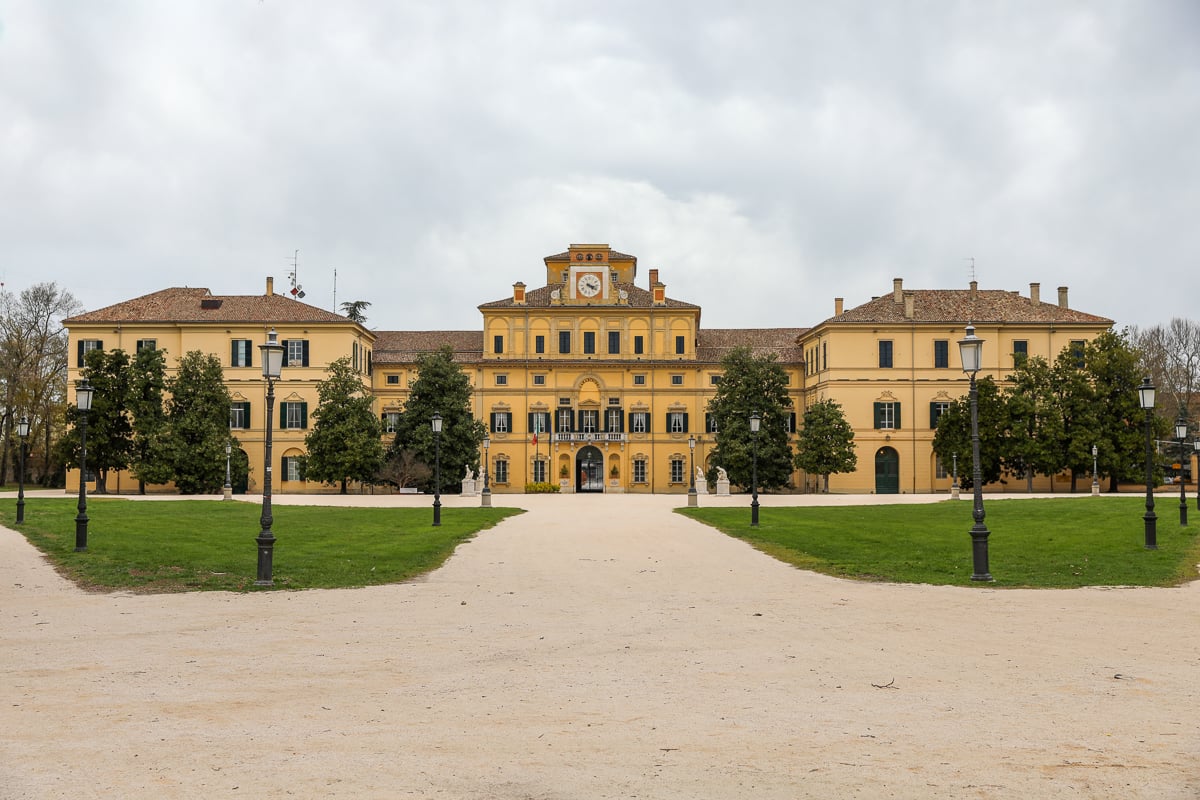
Need a little break from sightseeing (and eating)? Head to Parco Ducale, just across the Parma River from Palazzo della Pilotta. It’s the perfect place to stroll and relax.
Dating back to the 16th century, this sprawling former ducal garden is filled with shady tree-lined paths, statues, manicured lawns, and a pond with the Fontana del Trianon. You’ll also see the grand Palazzo del Giardino, once a residence of Parma’s ruling Farnese family.
9. Take a Traditional Cooking Class
The first time I learned how to make Emilian-style egg pasta in Bologna, I was shocked by how many egg yolks we used. I’d made pasta all over Italy, but never like that! From the general recipe to the rolling technique, pasta-making in Emilia-Romagna is way different than other Italian regions.
So, if you’re into cooking, make sure to take a cooking class in Parma!
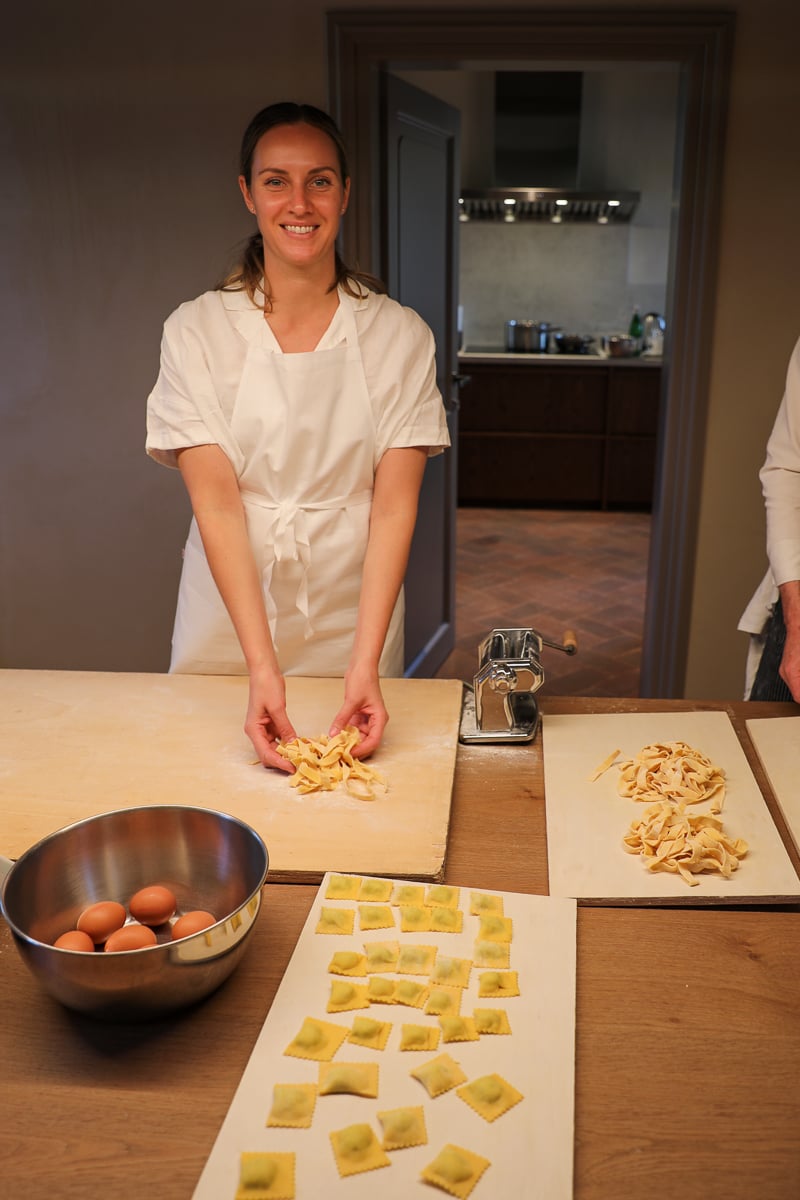
During a more recent trip, I stayed at Relais Roncolo 1888, a luxury wine estate in the countryside near Parma. There, my husband and I took a private traditional Emilian cooking class with the estate’s sous-chef, Mauro – who was gregarious and super knowledgeable.
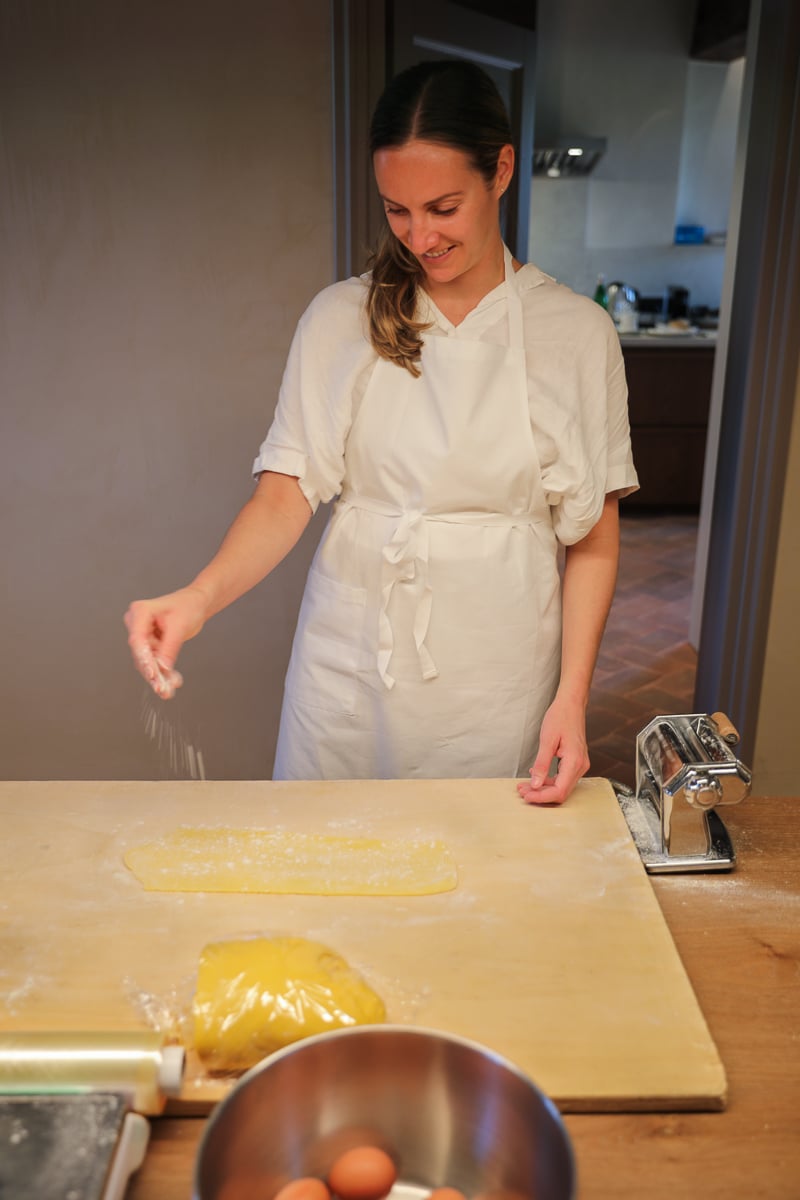
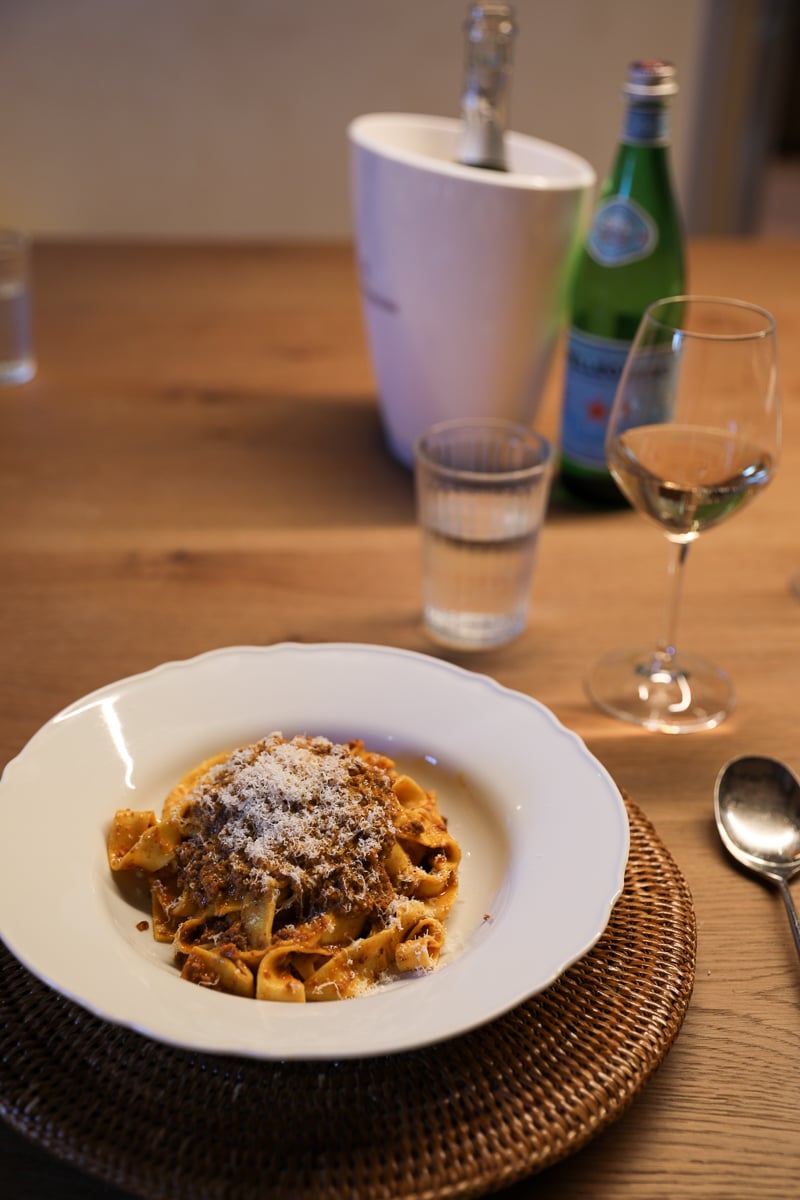
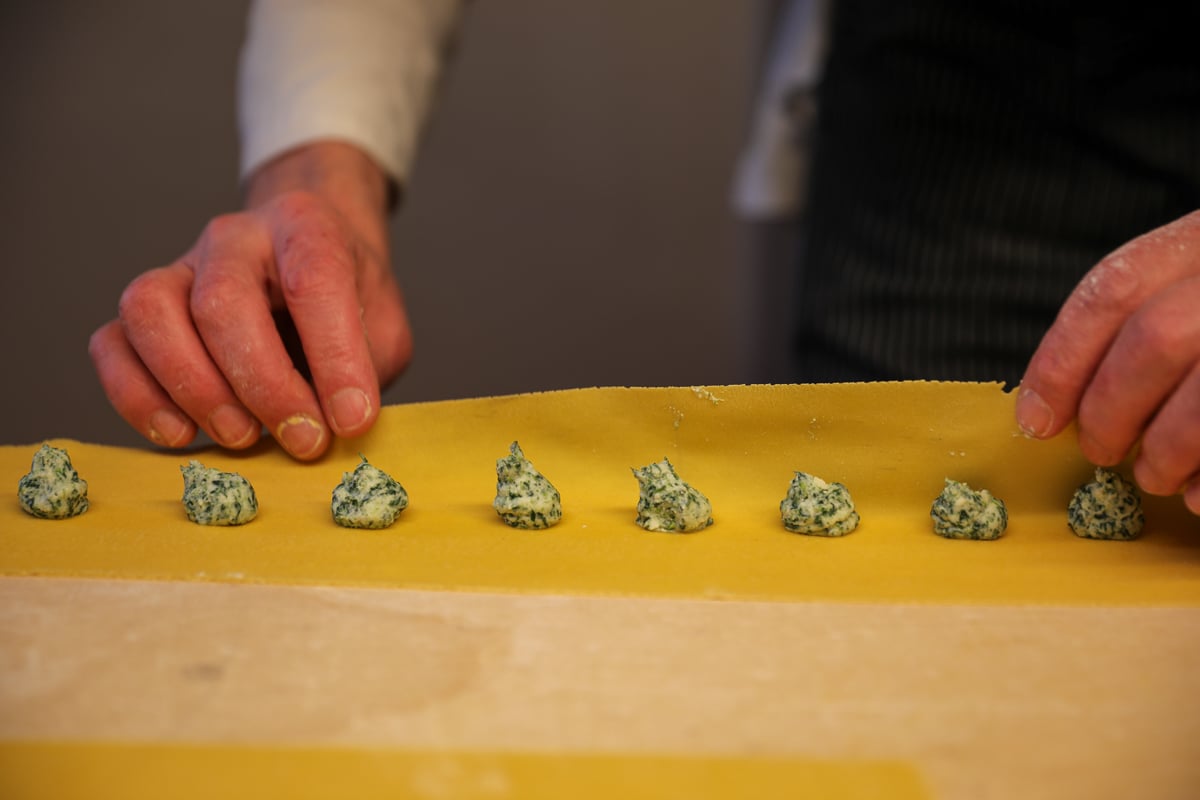
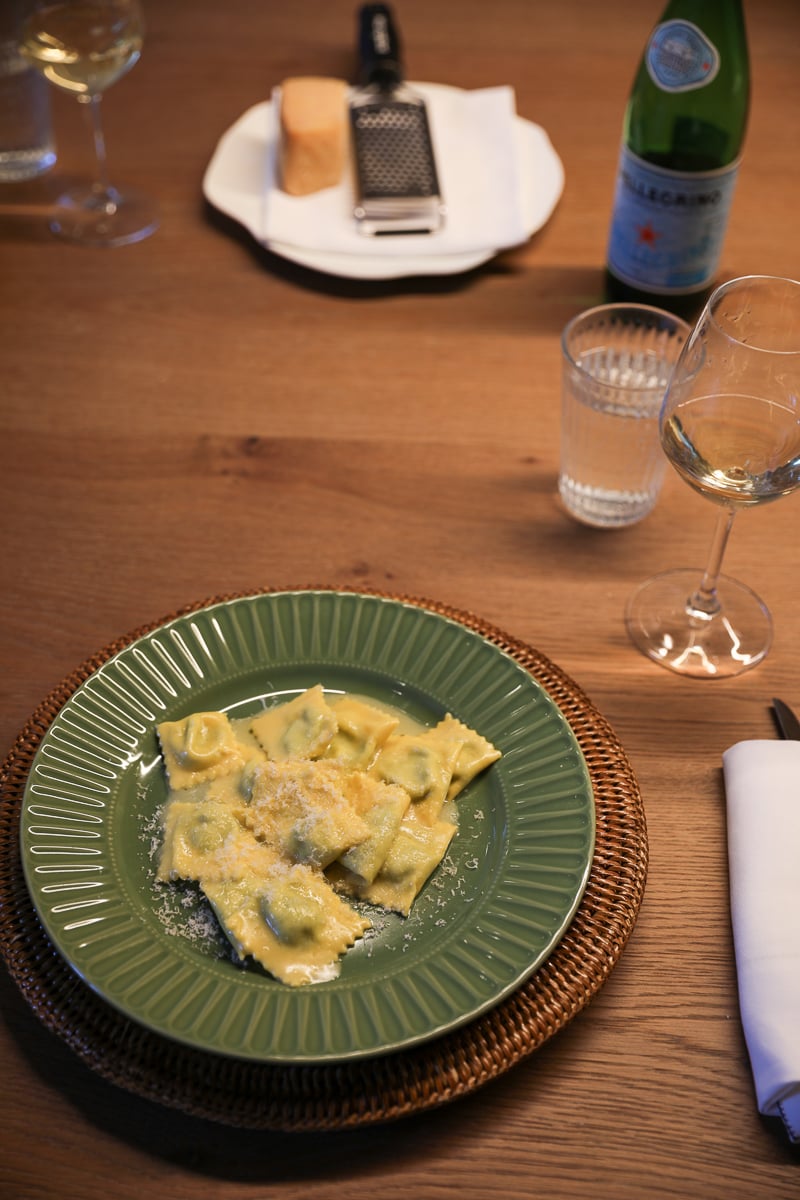
To put it lightly, I loved this class. It was more in-depth than most, covering sauce-making from scratch and egg pasta-making. We made tagliatelle with ragù sauce, tortelli d’erbetta with sage and butter sauce, and gnocchi with tomato-garlic-basil sauce, olives, capers, and drizzled with Parmigiano cream. Everything was so delicious that we had to cancel our dinner plans. We were stuffed!
I highly recommend staying at Relais Roncolo 1888 and booking a cooking class there.
But if you’re staying in Parma’s historic center, check out this small-group Parma Pasta-Making Class.
Over 2.5 hours, you’ll learn to make traditional egg pasta the Emilian way, with a local sfoglina (expert pasta maker). You’ll transform your pasta sheets into tortelli d’erbetta – ricotta-and-chard-stuffed pasta – enjoy it with local wine, and go home with new pasta-making skills.
10. Discover Teatro Regio (Parma Opera House)
Parma takes opera very seriously – and the magnificent Teatro Regio di Parma is proof.
Commissioned by Marie Louise, Napoleon’s second wife and Duchess of Parma, this grand opera house opened in 1829.
Its elegant Neoclassical façade, complete with imposing Ionic columns, is impressive enough. But the interior’s four tiers of gilded boxes, red velvet seating, beautifully painted ceiling, and enormous chandelier are equally stunning.
The theater is also connected to Giuseppe Verdi, the legendary Italian opera composer who was born in the countryside near Parma. Every autumn, the city celebrates his legacy with the renowned Festival Verdi.
There are performances year-round, and you can book tickets online. Otherwise, if you just want to see the interior, you can book a 30-minute guided tour for €12, which includes the main auditorium, foyer, and Ridotto.
11. Eat at Parma’s Best Restaurants
With so many incredible traditional dishes to try, you’ll want to make plenty of time for eating out in Parma. Here are four restaurants to add to your list:
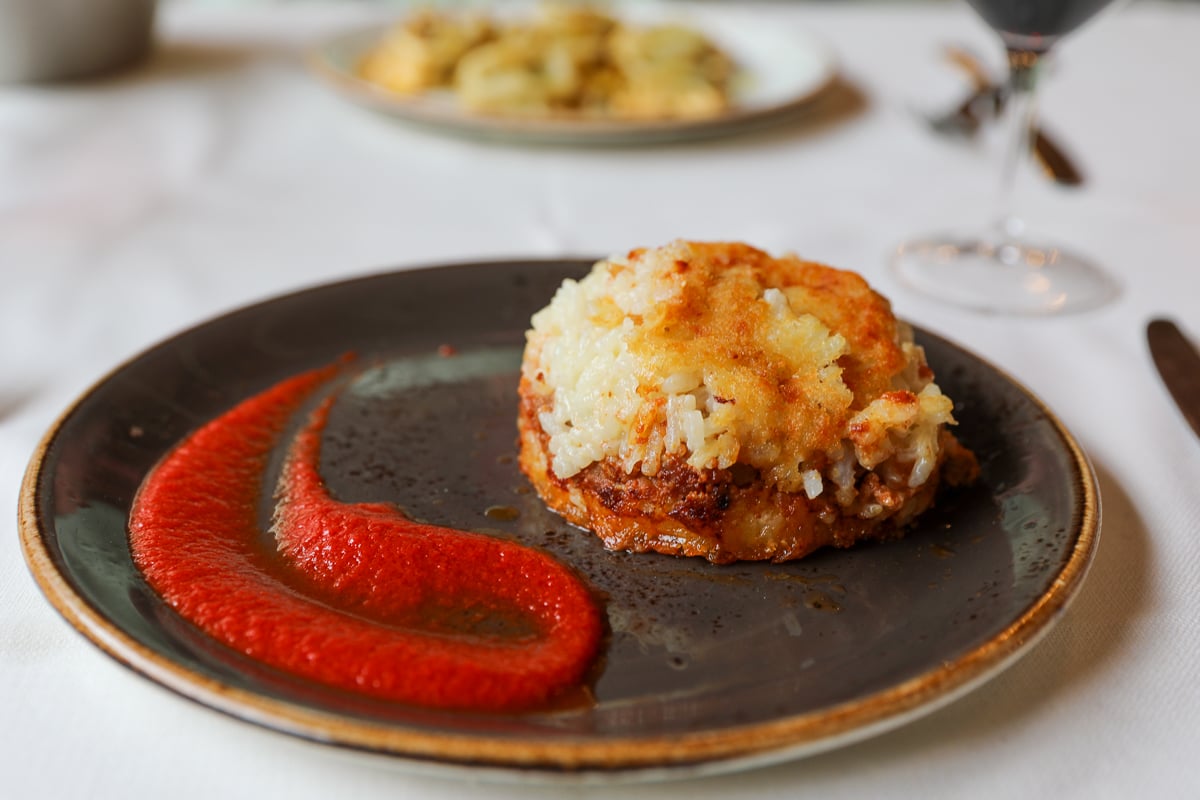
- I Tri Siochètt: Don’t miss this bustling, traditional trattoria on the outskirts of Parma! It was packed with locals, and we loved everything here – especially the bomba di riso, potato-and-artichoke tortelli, and polenta with Parmigiano fondue. Book ahead.
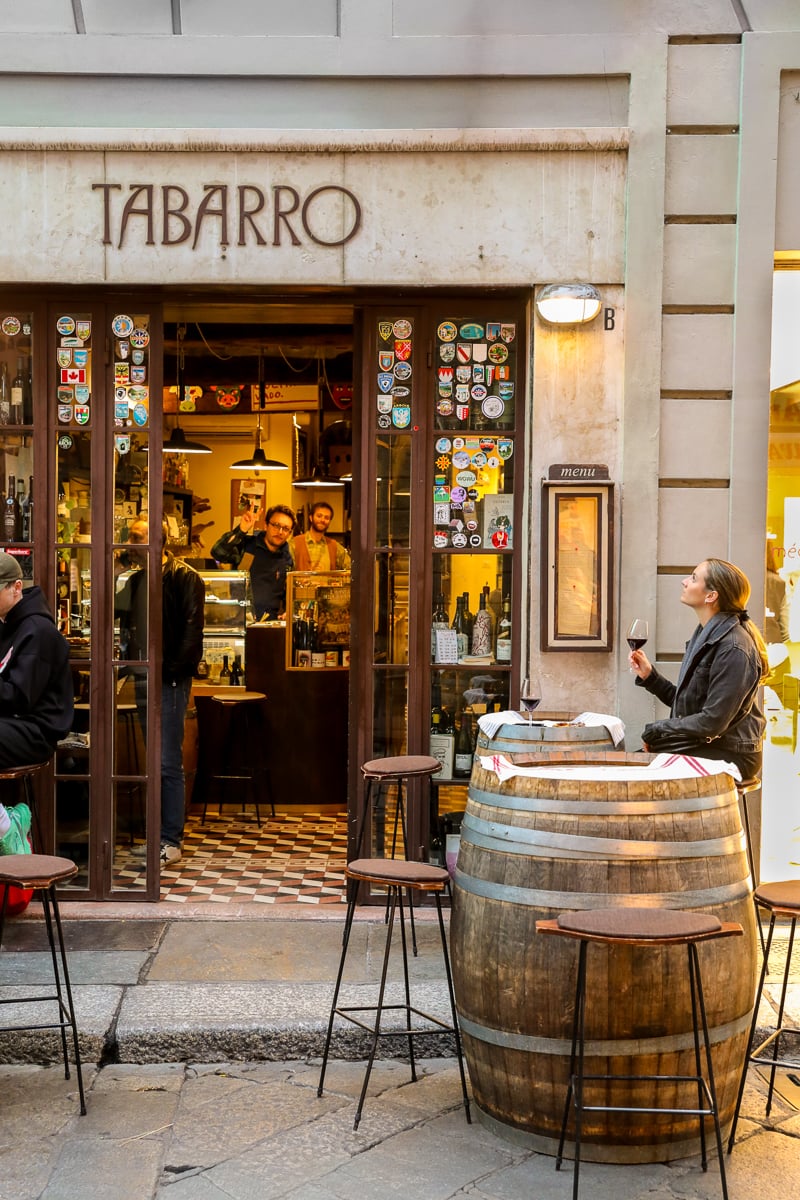
- Enoteca Tabarro: This is actually a wine bar, but I loved it, so I had to include it here. Come for excellent wines, creative cicchetti, and a lively, local atmosphere. Perfect for aperitivo or a light dinner after a full day of eating!
- Osteria del 36: This cozy, historic osteria serves traditional Emilian cuisine with modern touches. I had a dinner reservation here but had to cancel – because of how much I ate during my cooking class! It’s on my list for next time.
- Brisla Trattoria: This contemporary trattoria serves regional specialties with a creative twist, including homemade pasta and bomba di riso with pigeon ragù. So yummy!
12. Visit Basilica di Santa Maria della Steccata
Around the corner from Piazza Garibaldi, the Basilica di Santa Maria della Steccata is another gorgeous church worth visiting.
Built in the 16th century, this grand Renaissance basilica features an impressive dome and a richly decorated interior, with colorful frescoes, gilded details, and beautiful marble sculptures.
The highlight is Parmigianino’s Wise and Foolish Virgins – a spectacular fresco painted on the arch above the high altar. The basilica also houses the tombs of members of Parma’s ruling Farnese and Bourbon families.
Entry to the basilica is free! Just note, it usually closes between noon and 3 PM.
More Things to Do in and Around Parma
Have even more time? Here are a few more things to do in Parma and the surrounding countryside!
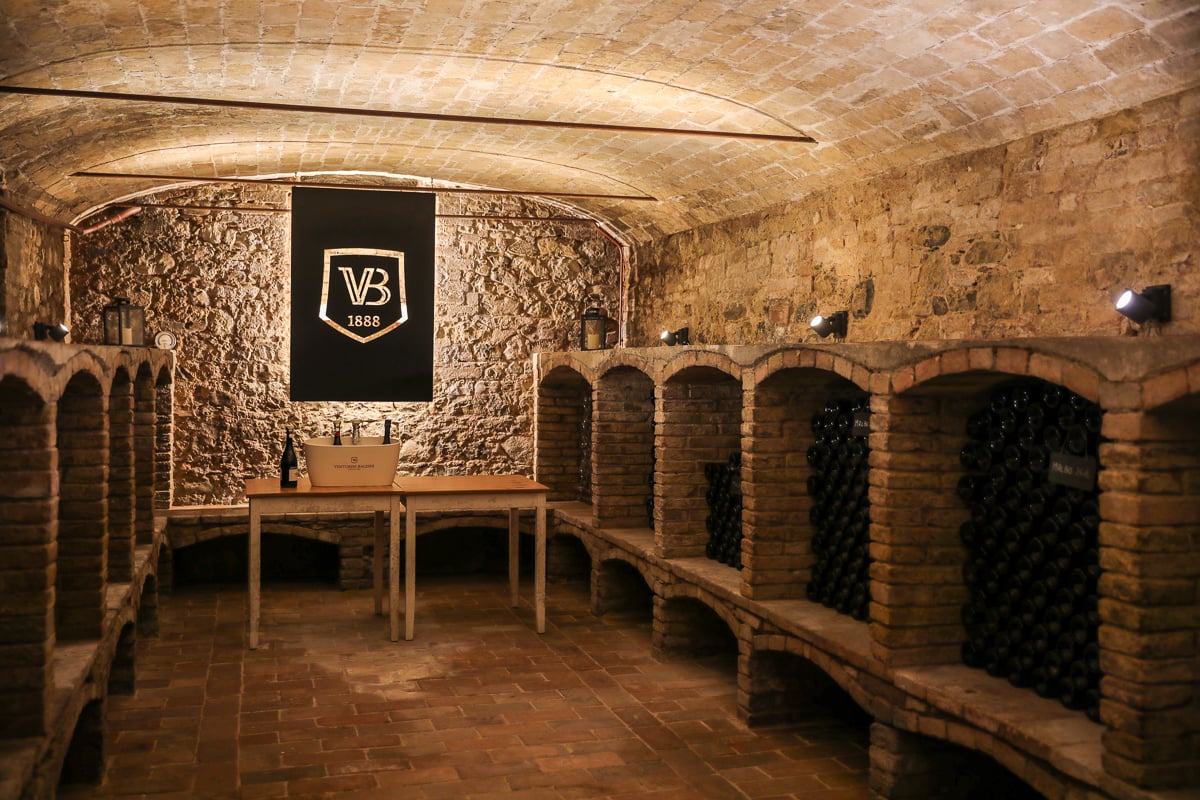
- Wine tour in the countryside: I’ll admit, I’m not crazy about Lambrusco, the sparkling red wine from Emilia-Romagna. But if you are, you might want to book a wine tour! We took a winery tour at Venturini Baldini, the organic winery at Relais Roncolo 1888 (where we stayed). But if you don’t have a rental car, you can book this winery tour from Parma, which includes round-trip transportation.
- San Giovanni Evangelista: Just behind Parma Cathedral, this beautiful Benedictine church features another spectacular dome fresco by Correggio. Entry is free!
- Museo Glauco Lombardi: Discover the fascinating history of Marie Louise, the beloved Duchess of Parma, through portraits, personal belongings, and historical artifacts.
- Casa della Musica: Housed in historic Palazzo Cusani, this museum explores Parma’s rich musical and operatic heritage.
- Castello di Torrechiara: This magnificent 15th-century hilltop castle, just south of Parma, features beautiful frescoed rooms and sweeping countryside views. The fastest way to get here is by car, though there’s also a direct bus.
- Labirinto della Masone: Near Fontanellato, this enormous bamboo labyrinth is a fun and super unusual attraction, complete with an impressive art collection. A rental car is the best way to get here.
- Reggia di Colorno: Explore an opulent former ducal palace with grand halls, elegant interiors, and beautiful formal gardens in the town of Colorno. Without a car, you can take a 15-minute regional train here.
Where to Stay in Parma
For easy access to Parma’s best attractions, restaurants, and wine bars, I recommend staying in the historic center.
But if you’re exploring Italy’s Food Valley by rental car, then staying at a countryside agriturismo or wine estate near Parma is an unparalleled experience.
Here are four options to consider:
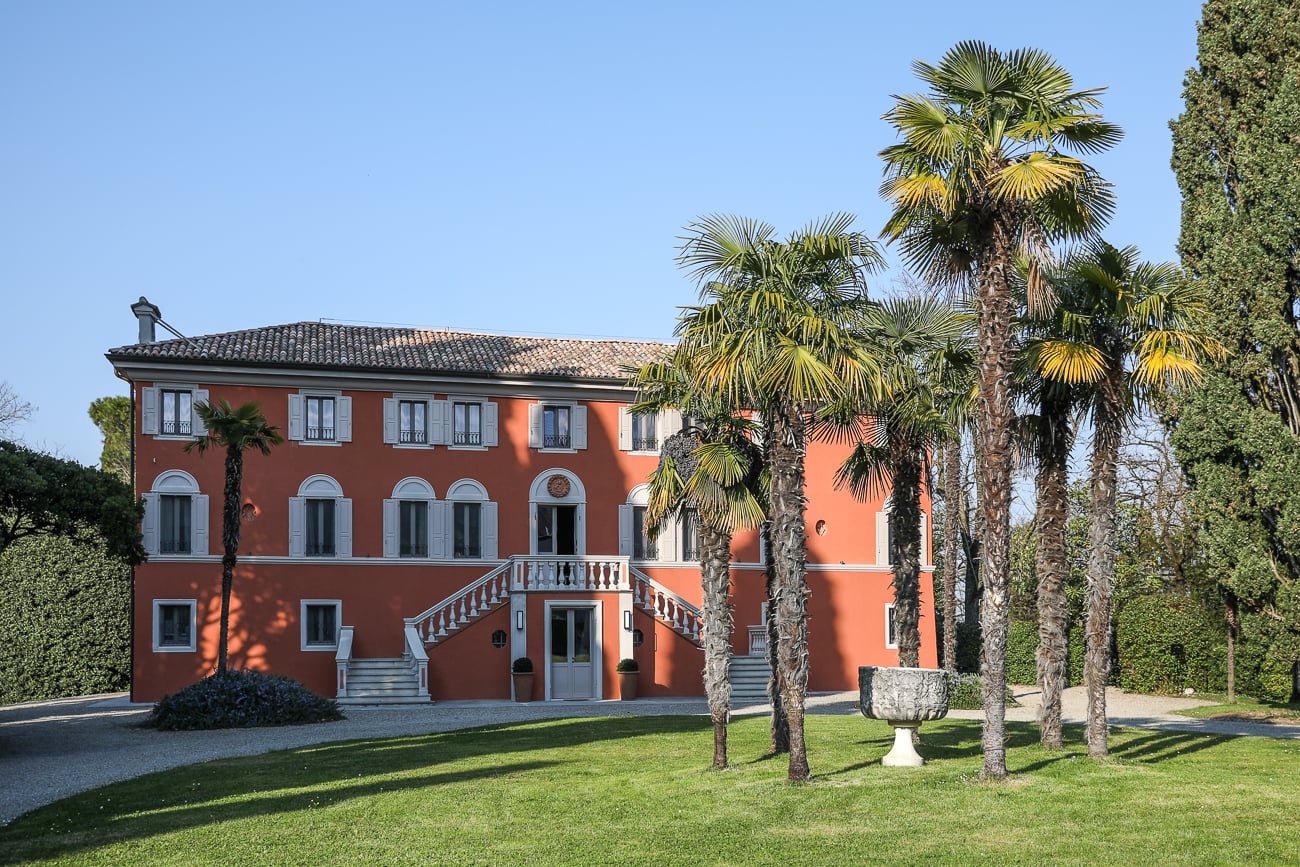
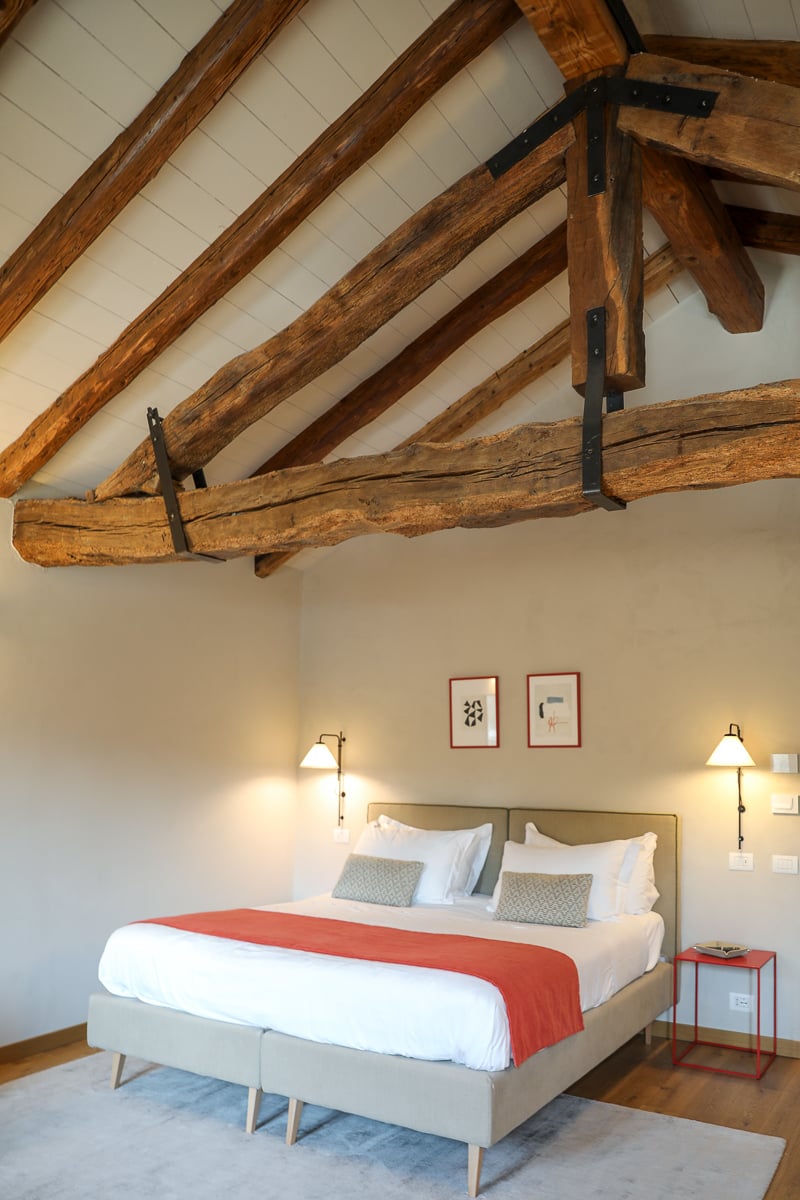
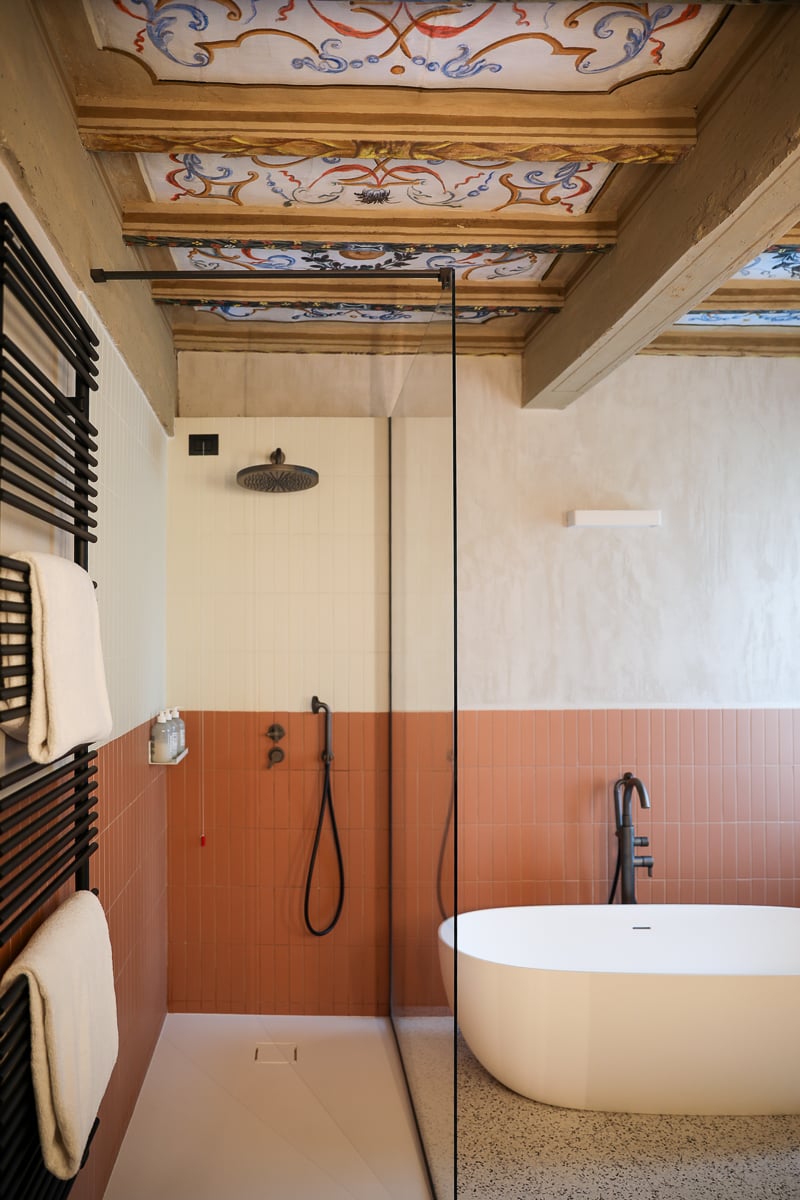
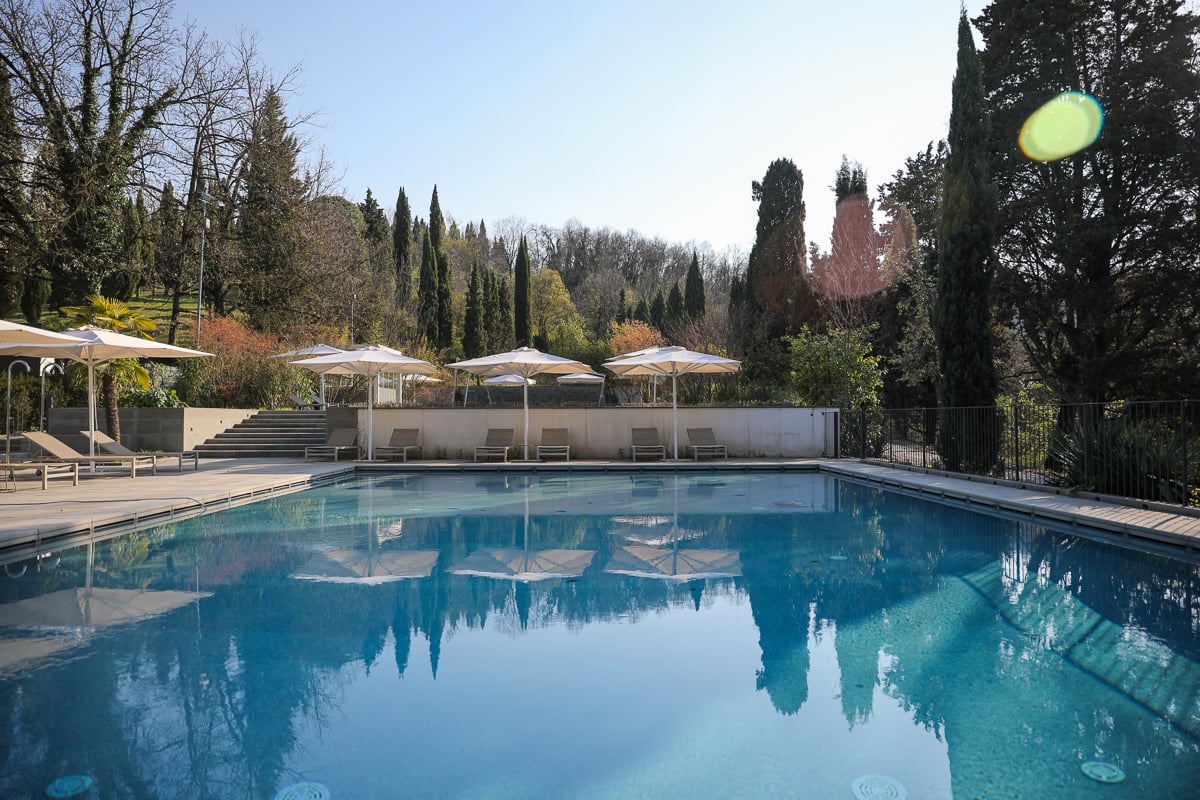
- Relais Roncolo 1888 ($$$$): We stayed at this incredible luxury wine estate in the countryside (roughly 45 minutes from Parma) for two nights – and it’s a stay I’ll never stop dreaming about! Stylish, elegant rooms, a gorgeous pool, an organic vineyard, a historic balsamic cellar, a whimsical greenhouse restaurant called Ristorante Limonaia, an excellent breakfast spread, and wonderful culinary experiences await you here! We took a cooking class, toured the acetaia (balsamic vinegar factory), and enjoyed a winery tour and tasting. We also hiked in the surrounding hills, had the most incredible dinner (I’ll never forget the lemon dessert!), and enjoyed relaxing on the property’s beautiful grounds. Best for luxury food-obsessed travelers with a rental car. Book your stay at Relais Roncolo 1888 here.
- Bellacorte Gentiluogo per Viaggiatori ($$$): Set in Parma’s historic center, this gorgeous boutique property features just 10 individually designed rooms and suites that surround a leafy courtyard. My top pick for the city center!
- Grand Hotel di Parma ($$$): This five-star hotel, set in a historic building, features elegant rooms, beautiful gardens, and private parking. It’s a good choice for luxury travelers, but expect a 15-minute walk to the heart of Parma.
- Opera 11 R&B ($$): This charming, intimate B&B occupies a renovated 19th-century building, with just three guest rooms and breakfast included. It’s budget-friendly, and the location is perfect.
How Many Days Do You Need in Parma?
If you’ve chosen Parma as your base, I recommend spending at least two full days in Parma – especially if you’re a food lover!
But if you’re short on time, you can still experience plenty of the city’s highlights in just one day.
You need one full day to take my favorite Private Food Walking Tour of Parma, explore the city center, and visit Parma’s top three historic highlights: the Parma Cathedral, Parma Baptistery, and the Palazzo della Pilotta.
With a second full day, you can take a food factory tour, like this Small-Group Parmigiano Reggiano Factory & Bike Tour or this Parmigiano Reggiano, Parma Ham & Balsamic Vinegar Tour.
With even more time, you could cover the other top things to do in Parma (like touring Teatro Regio and visiting Museo Glauco Lombardi). You could also take day trips to experience the best things to do in Bologna and Modena – both cities are musts in my book!
How to Get to Parma
Parma is well-connected to other major cities in Northern Italy, making it easy to visit by train or rental car.
Getting to Parma by Train
Taking the train is the easiest way to reach Parma, especially if you’re visiting from another Italian city. Parma’s train station is roughly a 15-minute walk to the heart of town, so you won’t need a rental car to explore the city itself.
You can reach Parma easily by train from:
- Modena: 30 minutes, direct
- Milan: 50 minutes, direct
- Bologna: 1 hour, direct
- Florence: 1 hour 45 minutes, direct or with 1 change
- Verona: Around 2 hours, with 1 change
- Venice: Around 2.5 hours, with 1 change
I recommend checking schedules and booking tickets directly through Trenitalia.
Getting to Parma by Car
If you’re planning to visit producers across Italy’s Food Valley independently, or if you want to stay at a countryside agriturismo, renting a car is a must.
Parma is easily accessible via the A1 motorway, which connects Milan and Bologna.
Just be aware that Parma’s historic center has a ZTL (limited traffic zone), where driving is restricted without authorization. To avoid fines, park outside the restricted area or arrange access with your hotel in advance.
MADDY’S TIP: I recommend picking up your car at Bologna Airport – that’s where you’ll find the most inventory and likely the best deals. This is the website I use to find great deals on rental cars in Italy!
Parma, Italy: Travel FAQs
Of course! Parma is one of the most underrated cities in Italy! It’s full of beautiful architecture, rich history, grand palaces, lively wine bars, and excellent museums. But for food lovers, I think it’s especially a must-visit. Between the world-famous cheeses, regional cured meats, incredible pasta dishes, food factory tours, wineries, and cooking classes, there’s so much to experience.
Yes! Parma is a very walkable city, with most major attractions, restaurants, and shops concentrated in its compact historic center. You won’t need a car to explore the city itself. But if you plan to visit food factories, wineries, and countryside attractions independently, a rental car is a must.
Parma is an excellent day trip from Bologna, just an hour away by direct train. With one full day, you can take this Parma food walking tour and visit the Parma Cathedral, Parma Baptistery, and Palazzo della Pilotta. That said, my top recommendation for a day trip from Bologna is this food factory experience from Bologna! It includes visits to Parmigiano Reggiano, Prosciutto di Parma, and traditional balsamic vinegar producers.
Parma is most famous for Parmigiano Reggiano and Prosciutto di Parma, two of Italy’s most celebrated culinary products! It’s also known for its traditional stuffed pasta, its incredible Romanesque cathedral, remarkable Renaissance artwork, and rich musical heritage – particularly its connection to opera composer Giuseppe Verdi. Also, Parma has been recognized as a UNESCO Creative City of Gastronomy since 2015!
You can visit Parma year-round, but I recommend going in spring (late March through May) or autumn (September and October), when the weather is generally nice for sightseeing and exploring the Food Valley. Autumn is extra special for food lovers, with regional food festivals and Parma’s famous Festival Verdi. Skip August if you can! It can be super hot, and some family-run restaurants and businesses close for summer holidays.